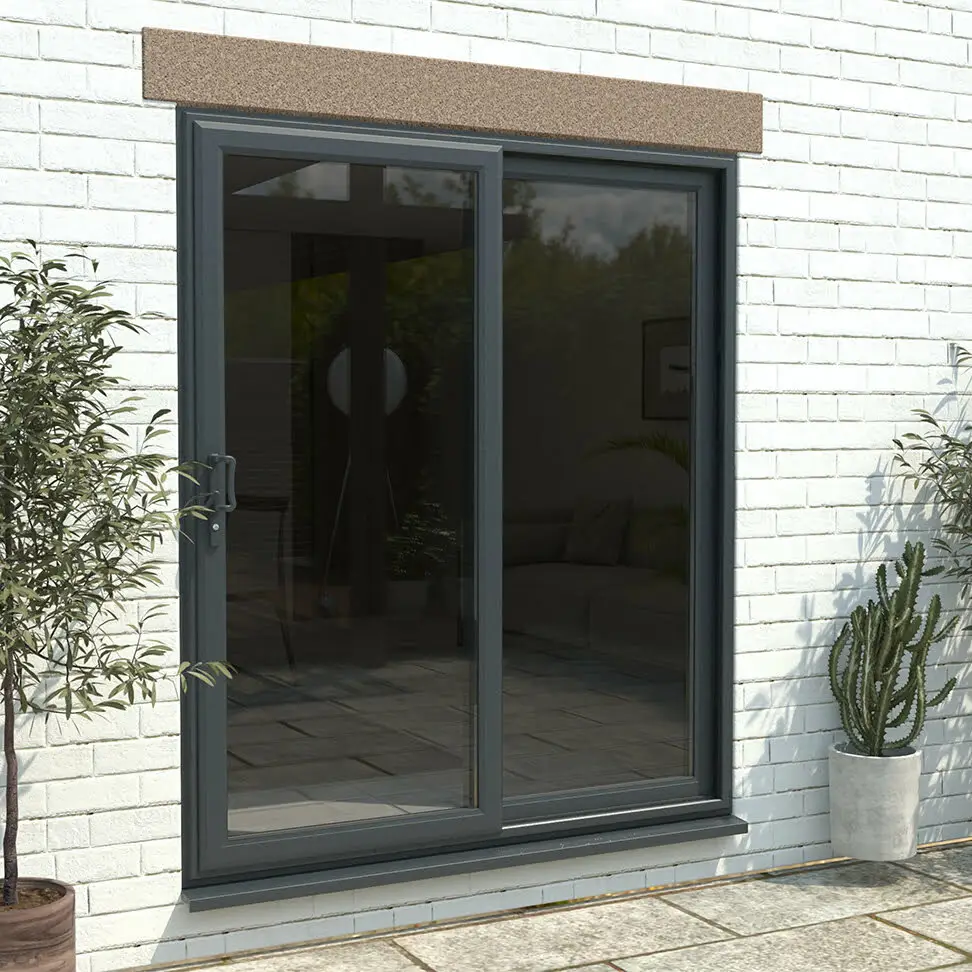
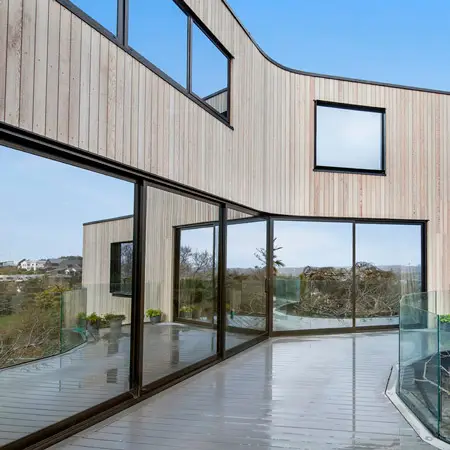
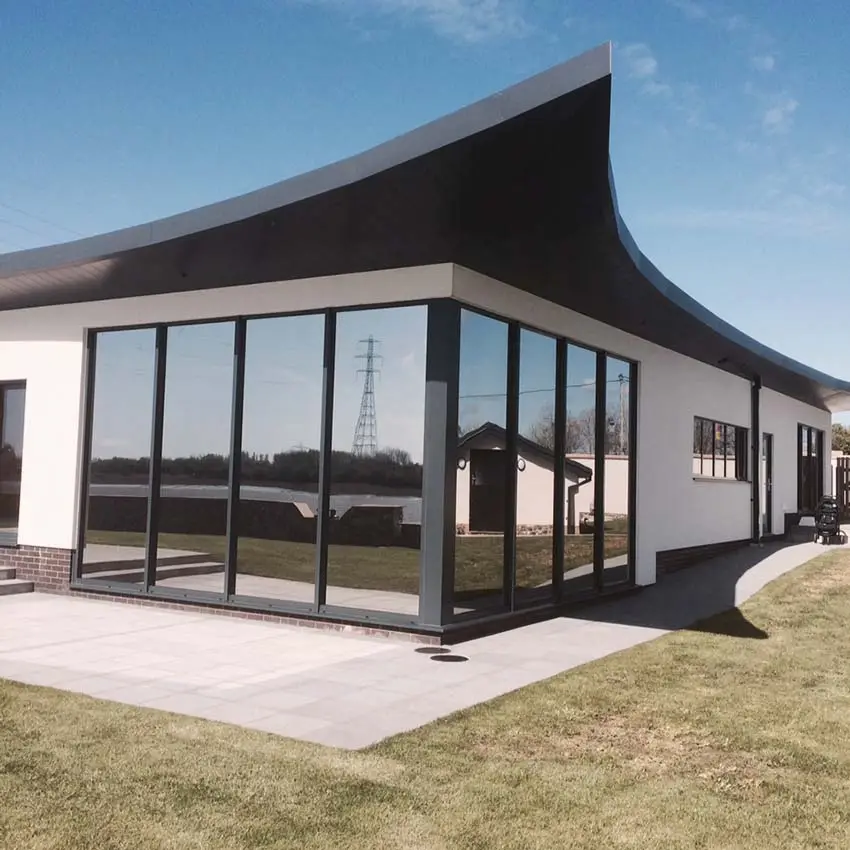
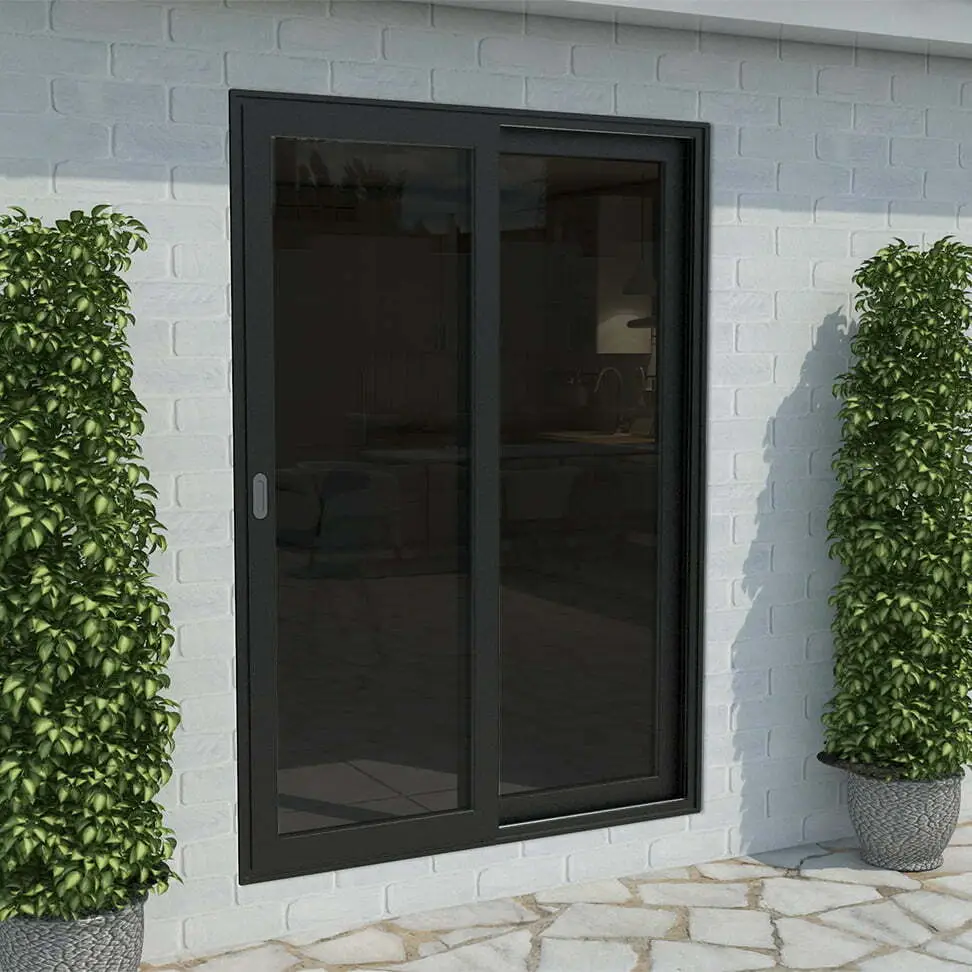
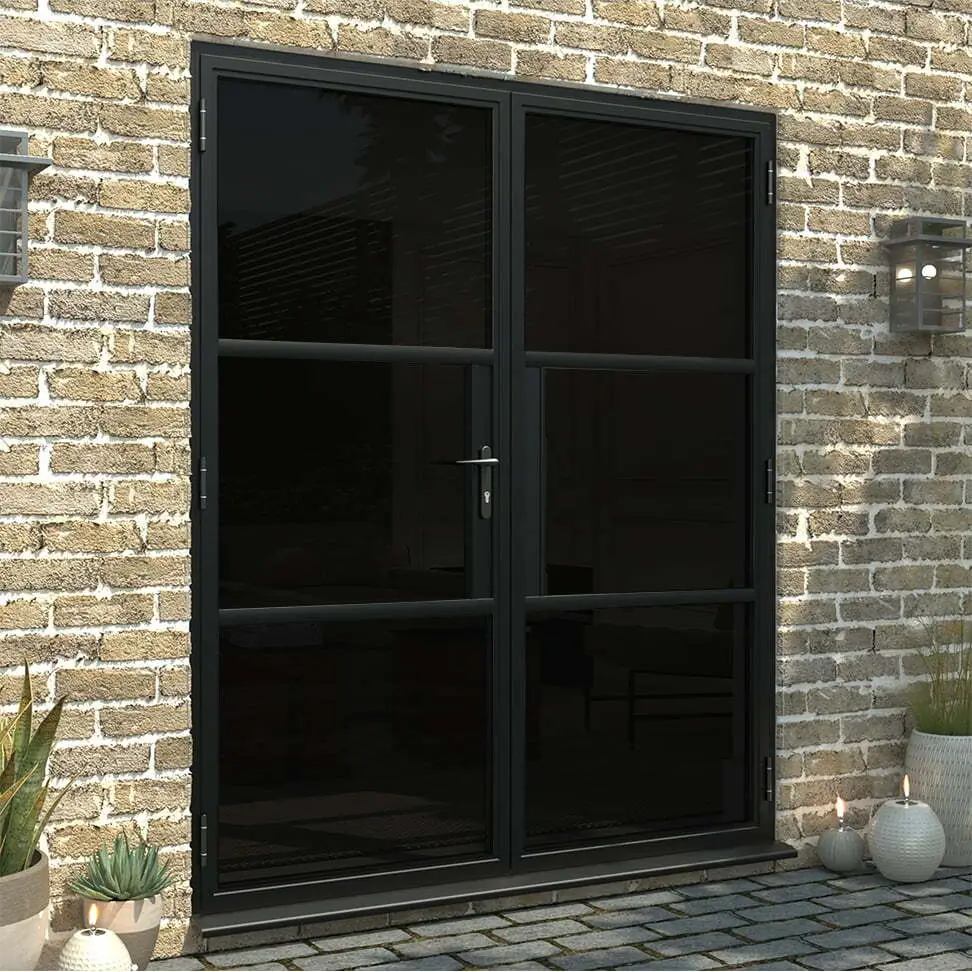
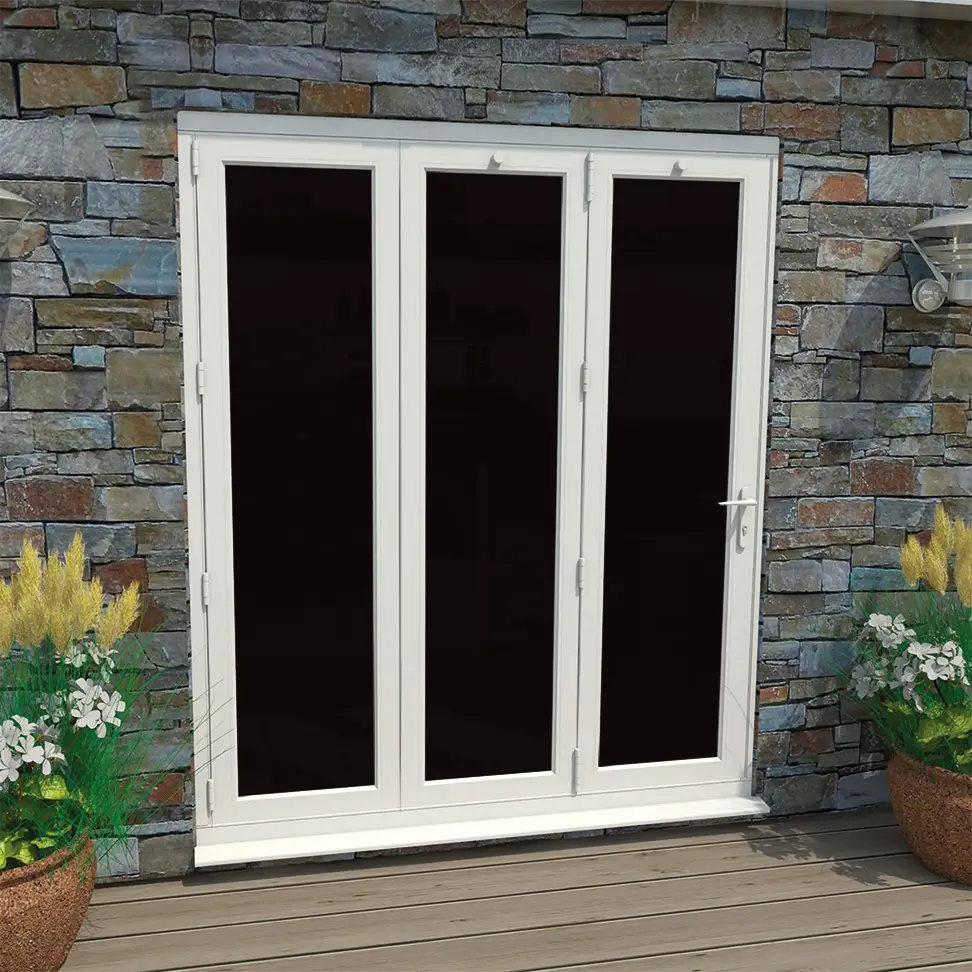
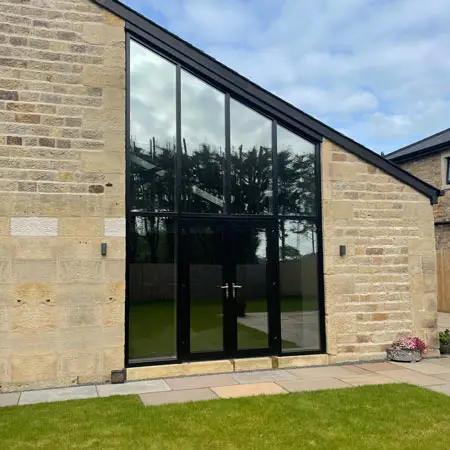
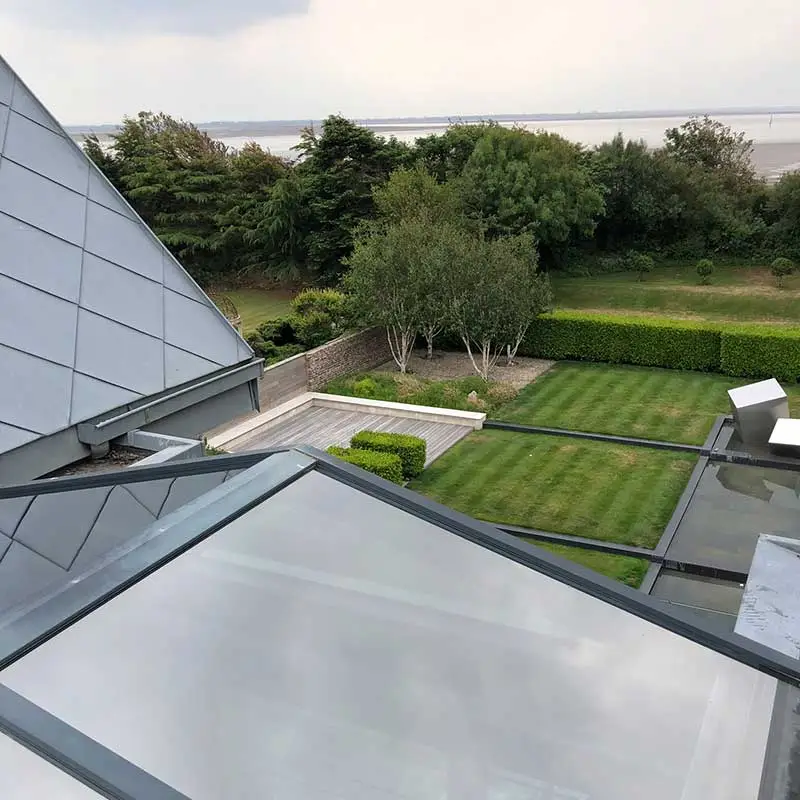
Window tint for home use has become increasingly popular, offering numerous benefits beyond aesthetics.
Home window tinting helps regulate indoor temperatures. By reducing the sun’s intensity, tinted windows at home will protect your furniture and flooring from fading while keeping your living areas cooler. This can lead to significant energy savings.
Precut window tints are perfect for tinting home windows and can also improve security. Tinted house windows make it more difficult for intruders to see inside. Additionally, tinted windows for homes can add a touch of elegance and style to your exterior, enhancing curb appeal.
How Long Does Window Film Last?
This question is not as easily answered as there are many variants. It can depend on whether you have chosen internal window film or external window film, the type of film like tinted window film or reflective film, the quality of the film and even the sun can affect the longevity of different types of window film.
For example, window film that are installed externally are battered more by weather but offer a higher effect in solar control if you are struggling with heat in the summer or winter.
Direct sunlight can also affect the longevity of the glass film. So, window film that is installed on the shaded side of our home would last longer in their benefits than window film hit by direct sun daily, but you'll notice more of a difference in their benefits when on the south or west facing windows. But that doesn’t mean window film with direct sunlight won’t last long, they still can have a lengthy lifespan. With Lustalux Direct, most of our window film includes a 10-year warranty.
Is it Better to Put Window Film on The Inside or Outside?
To get the most from our tinted window film, external installation is best. This is because the tinted glass film stops your windows from getting hot first, it’s a protective layer against the sun. This also means that you are less lightly to put thermal stress on the windows themselves which can in rare cases cause the glass to crack. We do have a selection of external window films that are highly effective are solar control and daytime privacy. If installed internally, as long as you check the compatibility of your glass with our film you will very rarely have an issue with thermal stress. You can find this out by asking your glass supplier or checking our compatibility on our products. If you are still not sure please get in touch. Our internally tinted window films are still highly effective at reducing heat and can also benefit in winter as a thermal blanket on your windows, the biggest benefit of our internal tinted window film compared to our external films is that you won’t have to deal with the elements when trying to install, if you are not confident installing window film this can make a drastic difference.
Does Home Window Tinting Reduce Heat?
The best solar control window film is our reflecting window film options. These reflect heat and sunrays off your windows, cooling them drastically. Our tinted films also reduce heat by absorbing the heat before it enters your room. It isn't as effective as reflective window film but does make a noticeable difference. Our reflective films are highly beneficial for south or west facing windows that receive intense sunlight and you receive the bonus of day-time privacy. Our tinted films are best for sun-glare and overall heat reduction on windows but.
Can you See Through Tinted House Windows at Night?
Our tinted window films are not privacy films, so during the day, because of the darker appearance, it does make it more difficult to see inside, but not completely. Whereas at nighttime with the lights it makes visibility clearer, so if you still want to maximise the privacy of your tinted glass windows at night, we recommend no lights near the window film, so move any lamps further away and any spotlights outside turn off. For complete privacy at night, we would suggest using blinds or curtains.
Is There a Window Film to Block Sunlight?
If you want to block all sunlight coming through you would need our blackout window film. This blackout window film stops all light and visibility making it an ideal window film for heat control, privacy and to reduce glare. It does drastically darken rooms so if that is something you don't want then this blackout film is not for you. Please check the compatibility of your glass windows before installing any tint or blackout window film. If you are not sure this film is suitable, please contact your glass provider or speak to the Lustalux team and we can give you advice.
Is it Legal to Put Tinted Window Film on a Car?
The UK legal guidelines for vehicles must comply with DVSA regulations.
For the front windscreen you must have at least 75% of light through, which is a very slight tint and for the front side windows it must allow at least 70% of light through. For rear windows there is no limits on the tints allowed but please always check with DVSA before adding tint to any vehicle. At Lustalux we only supply tinted window film for homes.
When considering tinted window films for your home, each percentage of tint (65%, 80%, 90%) offers distinct advantages and disadvantages. If you are unsure which would benefit you the most please contact us.