
As the clocks go back and daylight hours shrink, many businesses find their visibility starts to suffer. Shorter days and long, dim evenings can significantly reduce the effectiveness of traditional signage – especially for those that rely on foot traffic or operate outside of the standard 9-to-5 window. For us, the darker months aren’t just a seasonal change – they’re an opportunity to reassess how well our signage is working and what can be done to make it stand out when it matters most.
We often hear from business owners who notice a drop in engagement or passing trade once autumn sets in. One of the most common issues? Their signs simply can’t compete with the gloom of late afternoons or early evenings. Whether it’s a shopfront, restaurant, office building or commercial unit, effective signage during the darker months is crucial for maintaining visibility, projecting professionalism, and ensuring customers know you’re open and trading.

Why Winter Lighting Conditions Demand Better Signage
During the autumn and winter months, natural light fades quickly, often just after lunchtime. If your business is located on a high street, industrial estate or in a retail park, reduced daylight can mean your premises become nearly invisible after 4pm. This is particularly problematic for businesses that rely on impulse visits, after-school or after-work trade, or who are looking to attract new customers in the evening hours.
Illuminated signage becomes far more valuable in these conditions. A sign that’s visible at night not only helps people find your business – it makes you look active, open, and engaged. It also enhances safety and security, helping to light up entrances, pathways, or car parks.
In our experience, adding or upgrading illuminated signage during the darker months offers one of the best returns on investment for physical visibility. It ensures your brand is consistently seen and remembered – not just when the sun is out.
Types of Signage That Stand Out in Low Light
We’ve worked with many businesses across various sectors to design and install signage solutions that don’t fade into the background after sunset. The right sign will depend on your premises, your brand, and how you want to be perceived, but there are several tried-and-tested options that perform especially well in the winter season.
- Built-Up Illuminated Letters
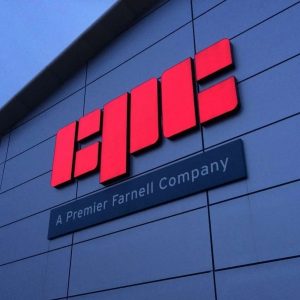
These 3D letters, usually made from aluminium or stainless steel, can be internally lit with LEDs to create a bold, professional look. They’re ideal for building façades and are often used in retail, hospitality, and commercial settings. Because each letter is lit individually, they provide excellent visibility from a distance – even in poor weather or dark conditions. - Tray Signs with Halo Lighting
These signs use a recessed light source behind the lettering or logo, which creates a subtle glow around the edges – known as a halo effect. It’s a smart, modern look that works well for businesses aiming for a high-end or stylish impression. This kind of sign is highly visible at night without being overly bright or harsh. - LED Lightbox Signs
These are a brilliant choice for 24-hour visibility. Lightboxes use energy-efficient LED panels to backlight a printed sign face, making it vibrant and clear at any time of day. We’ve installed these for takeaways, convenience stores, and service-based businesses that want a more vivid street presence during darker evenings. - Projecting or Hanging Signs with Lighting
Mounted perpendicular to your building, these are particularly useful for visibility from a distance or in crowded pedestrian areas. Adding external lighting, such as overhead lamps or integrated LEDs, ensures they remain visible and effective even after sunset. - Window Graphics with Backlighting
For businesses with large glass frontages, vinyl graphics can be paired with internal lighting to create a striking display. Whether it’s festive messaging, branding, or seasonal promotions, this type of signage allows you to change things up easily while still maintaining visibility through the darker months.

Materials and Finishes That Work Well in Winter
It’s not just lighting that matters – materials play a big role in making signage stand out in poor weather. Rain, frost and condensation can all affect how signage looks and performs. That’s why we always recommend using materials designed to withstand harsh weather, such as:
- Powder-coated aluminium for tray signs and lettering – it resists corrosion and retains its finish.
- Acrylics and polycarbonates for illuminated signs – they’re durable and allow for clear, bright lighting.
- Vinyls with anti-fog or UV-resistant coatings – ideal for window graphics that need to stay sharp and legible through condensation or glare.
We also pay close attention to mounting methods and finishes to ensure signs don’t suffer from water ingress, rusting, or fading, all of which are more likely in the winter months.
Signage That Supports Winter Promotions and Events
The lead-up to Christmas and New Year is a critical period for many businesses. Window displays, promotional boards, and temporary signage are often used to support seasonal offers and events. However, if they’re not well-lit or designed for winter conditions, they can fail to attract the attention they deserve.
We help clients plan seasonal signage that is both eye-catching and practical – from illuminated window vinyls to freestanding signs with integrated lighting. If you’re investing in winter promotions, your signage should support them, not hold them back.
Maintenance Matters More in the Winter
During the colder months, wear and tear becomes more visible. Damp conditions, wind, and grime can all make your signage look tired or neglected. This can harm your professional image and discourage customers from entering. That’s why we often recommend a signage health check in the autumn, giving time to make repairs, replacements or upgrades before the clocks change.
We also offer maintenance services to keep your signage clean, functioning, and safe throughout the winter – particularly for illuminated signs, where damaged wiring or dirty diffusers can reduce brightness and effectiveness.
Consider Your Energy Usage
Lighting up signage for longer periods during winter understandably raises concerns about energy consumption. Fortunately, modern signage solutions are designed with energy efficiency in mind. LED technology uses far less power than older fluorescent systems and has a much longer lifespan, reducing both running and maintenance costs.
We work with our clients to ensure their signage remains energy-efficient without compromising on brightness or impact. Timers and light sensors can also help control when signs are illuminated, ensuring they’re only on when needed.

Make an Impression When It Matters Most
Your signage doesn’t stop working just because it’s dark – in fact, that’s when it should be working harder. With the right lighting, materials, and maintenance plan, your business can remain visible, inviting, and memorable through the darkest months of the year.
Whether you’re looking to enhance your brand presence this winter or simply want to stay seen when others fade into the background, we’re here to help. From design to installation and ongoing upkeep, we’ll make sure your signage continues to make the right impression – whatever the season.
FAQs
Why is illuminated signage important in winter?
Illuminated signage ensures your business remains visible during shorter days and dark evenings. In winter, natural light fades quickly, so lighting your signage helps attract attention, guide customers to your premises, and maintain a professional appearance.
What types of business signs are best for low-light conditions?
Signs that perform best in darker conditions include LED lightbox signs, built-up illuminated letters, halo-lit tray signs, and window graphics with internal lighting. These all provide consistent visibility and are effective even in poor weather or after sunset.
Is energy usage a concern with illuminated signage?
Modern illuminated signage uses LED technology, which is far more energy-efficient than traditional lighting. With the right system, you can keep your signs lit without dramatically increasing your energy bills. Timers and light sensors can also help reduce usage outside business hours.
Can winter weather damage business signage?
Yes, winter conditions like rain, frost, and wind can affect poorly made signage. That’s why we recommend using weather-resistant materials such as powder-coated aluminium, acrylics, and anti-fog vinyls. Proper installation and routine maintenance also protect signs from seasonal wear.
How can I update my signage for seasonal promotions?
Winter is a great time to use temporary or changeable signage for seasonal offers. Window vinyls, banners, and freestanding signs with lighting are ideal. These can be refreshed easily to reflect promotions for Christmas, New Year, or winter sales.