resource / Insight
Window Covering Trends 2026: Why Window Film Is Rewriting the Rules
Window film
Insight
11 min read
2026-05-20

The biggest window covering trend of 2026 is the one that's almost never mentioned: window film. While interior design roundups focus on blinds, shutters, and curtains, a growing number of homeowners and commercial specifiers are choosing frosted film, reeded film, solar control film, and smart switchable glazing instead.
Every year, the same trend guides appear. Roman blinds. Wooden shutters. Layered linen curtains. They cover the same ground, recommend the same products, and miss an entire category. Search the market data and a different picture emerges. The UK window film market was valued at around $111 million in 2024 and is projected to reach $145 million by 2035, growing across solar control, decorative, and safety film categories. The smart glass segment, which includes switchable film, is among the fastest-growing areas in commercial glazing. That is not a niche. That is a category rewriting itself.
This guide covers the six window covering trends shaping 2026, with a particular focus on what the mainstream guides are missing: the practical, design-led, and commercially effective case for window film as a modern window covering alternative.
Key Takeaways
- Reeded and fluted glass film is one of the fastest-growing decorative window covering options in UK homes and offices.
- Frosted and gradient privacy film replaces net curtains and privacy blinds while transmitting more natural light.
- Solar control film is displacing roller blinds and blackout curtains in offices, schools, and conservatories as energy costs rise.
- Smart switchable PDLC film is among the fastest-growing segments in commercial glazing, driven by healthcare, hospitality, and high-specification office fit-outs.
- Not one major UK window covering trend guide includes window film, making it one of the most underreported options available to both specifiers and homeowners.
The window covering trends most guides overlook
Pull up any list of window covering trends for 2026 and you will find the same categories: roller blinds, Roman blinds, plantation shutters, cellular shades, and motorised treatments. All valid options. But they share a common blind spot.
None of them mention window film.
That is a significant omission, because window film solves the same problems as blinds and curtains, and it often does so more effectively. Privacy, heat control, light management, UV protection, and design impact. Film handles all of these without adding fabric, frames, mechanisms, or the ongoing maintenance that comes with traditional window coverings.
The reason window film does not appear in trend guides is not a lack of demand. It is a coverage gap. The window film industry operates through specialist installers and product suppliers rather than the interior design press. The trend exists; the editorial coverage does not. This guide aims to address that.
Trend 1: Reeded and fluted glass film
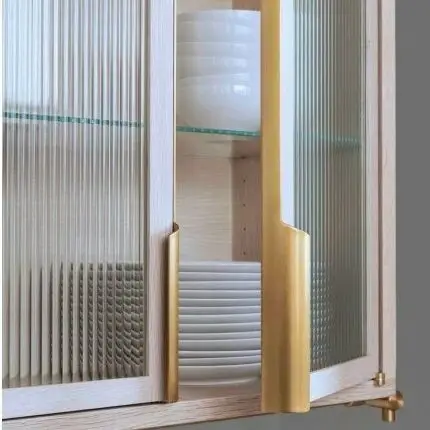
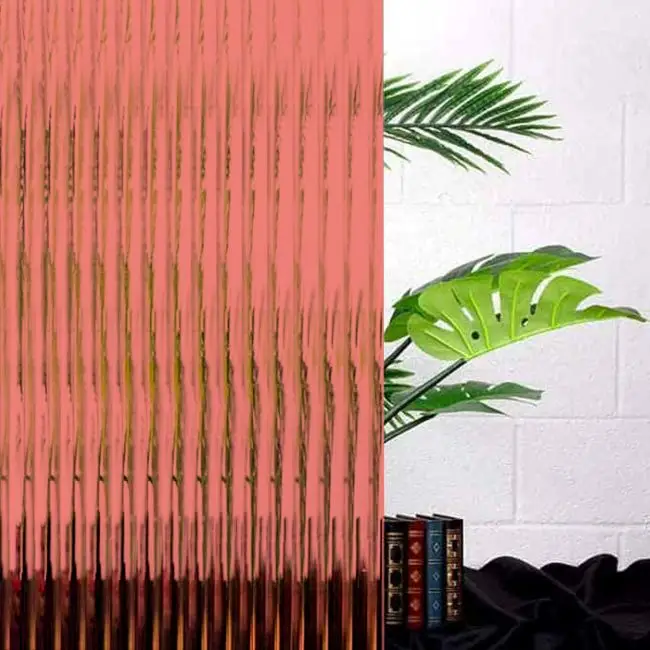
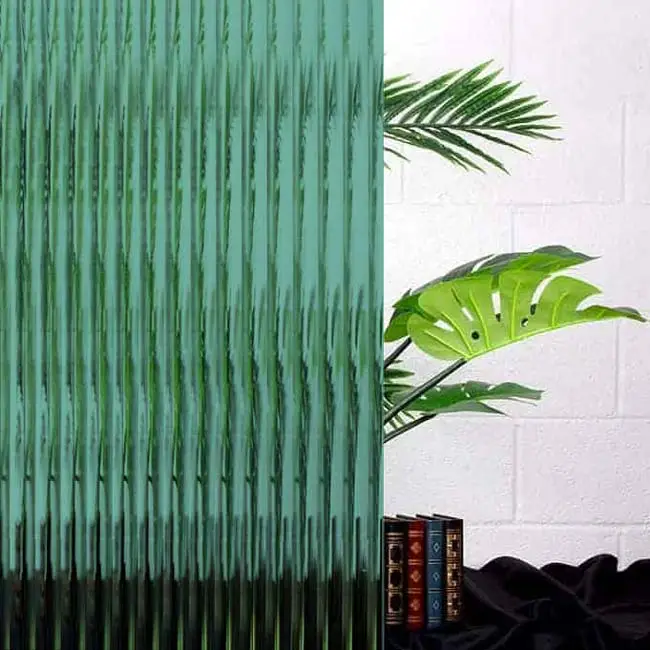
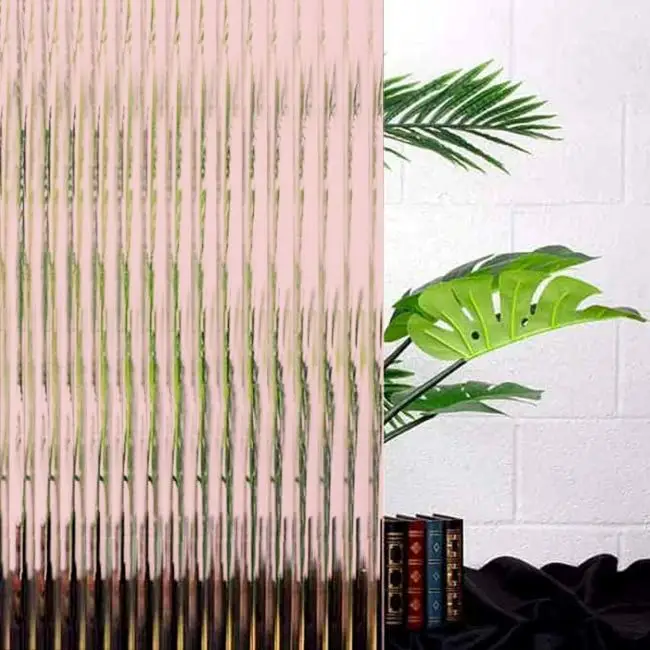
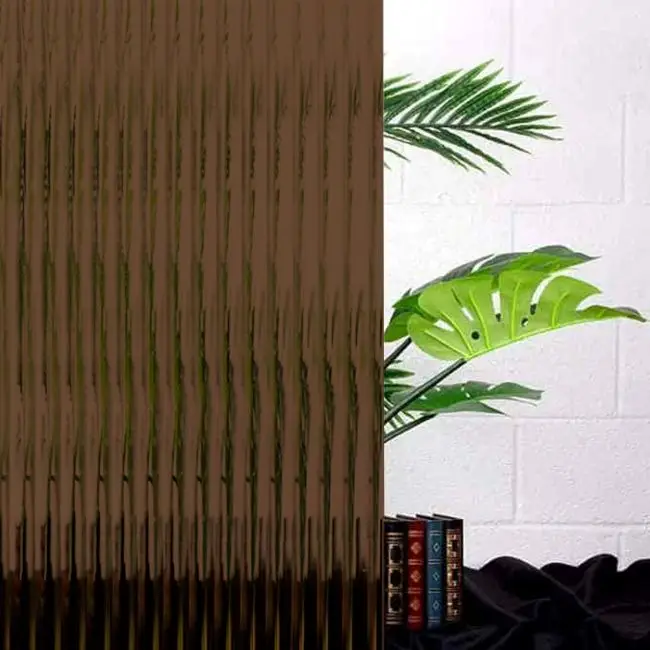
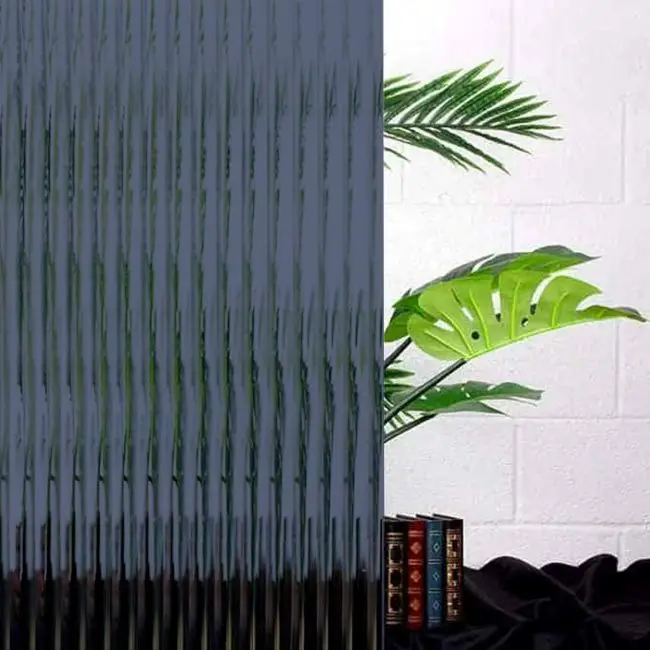
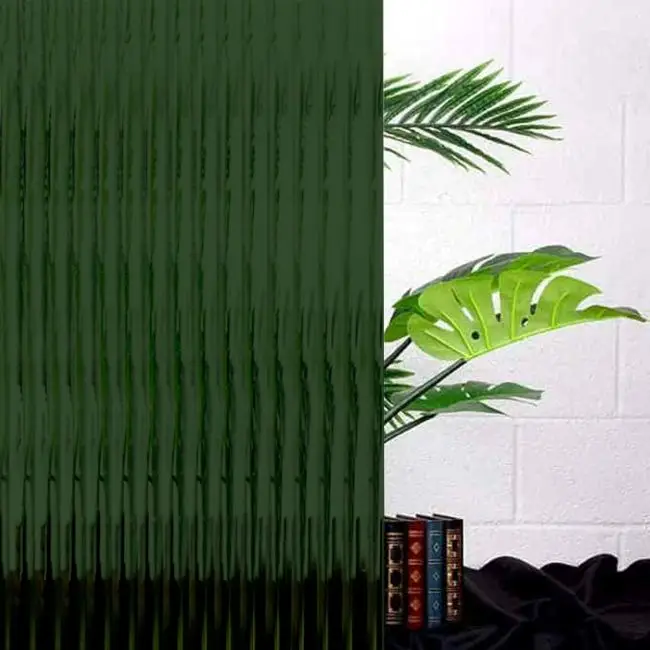
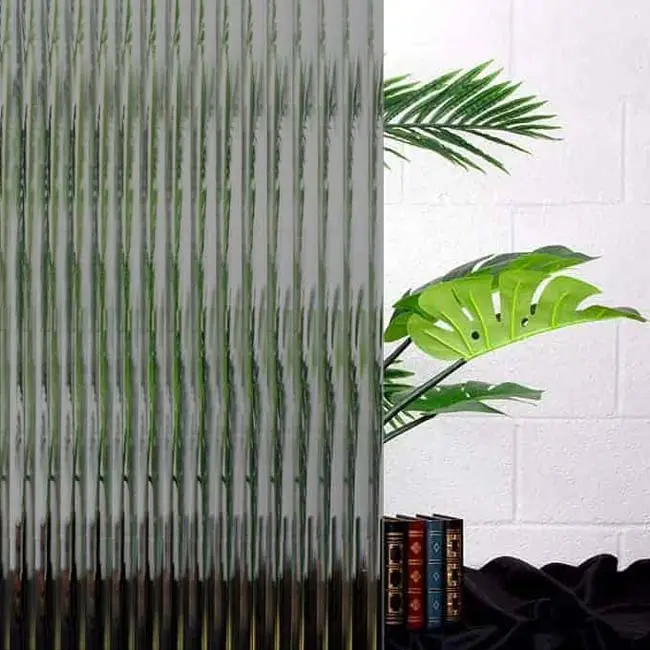
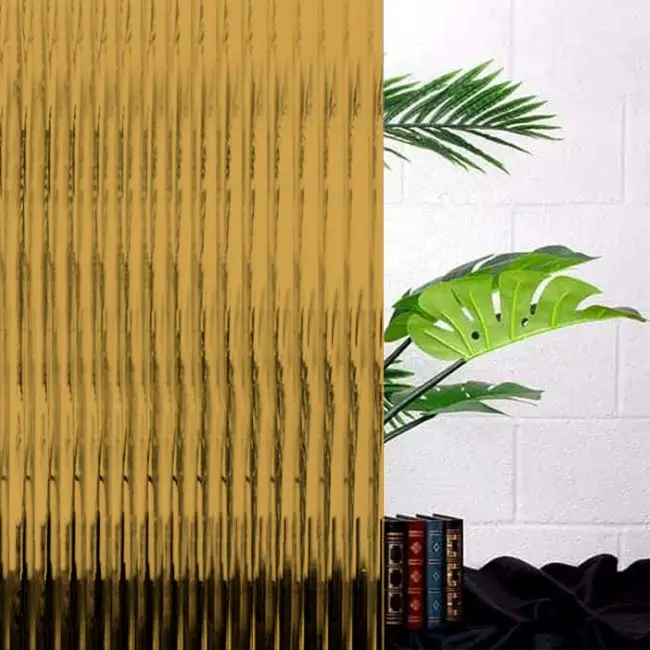
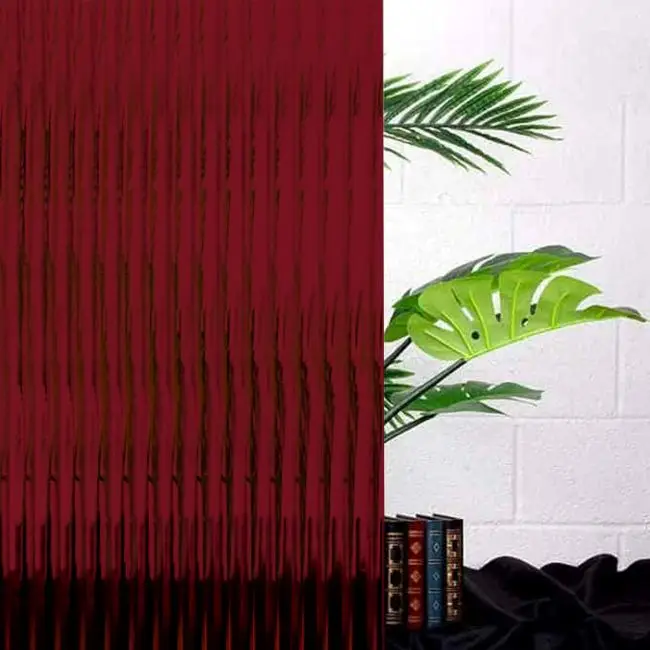
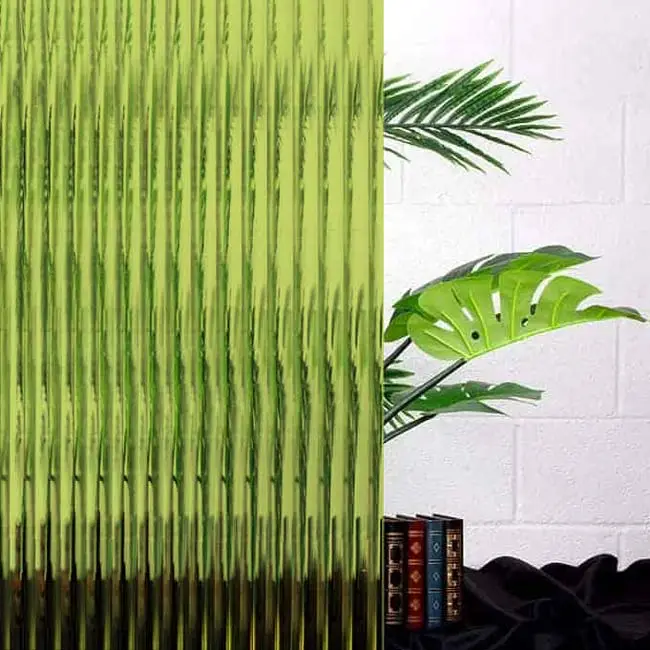
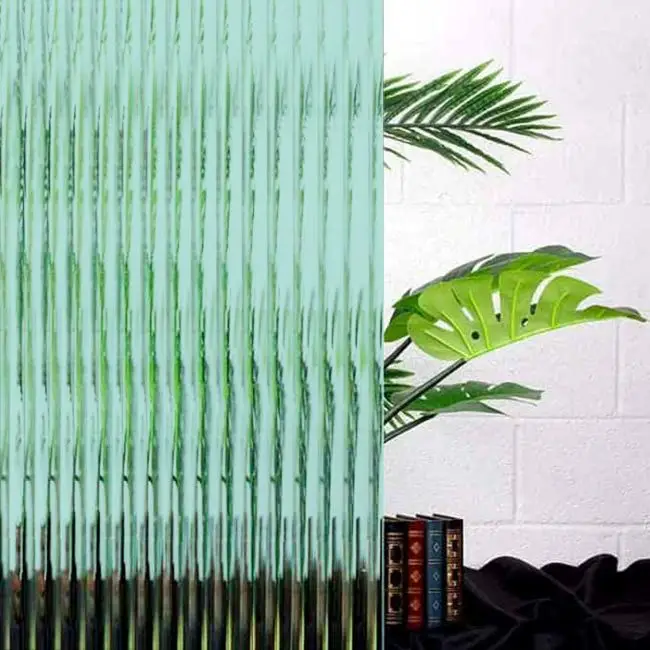
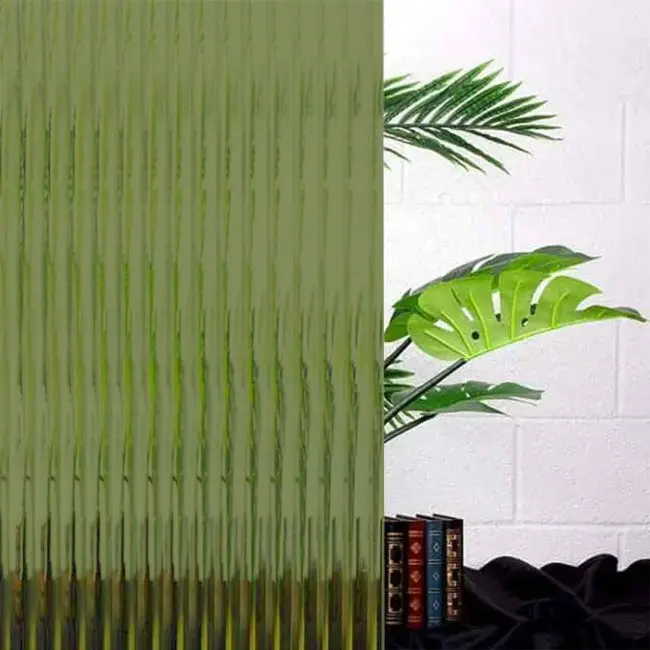
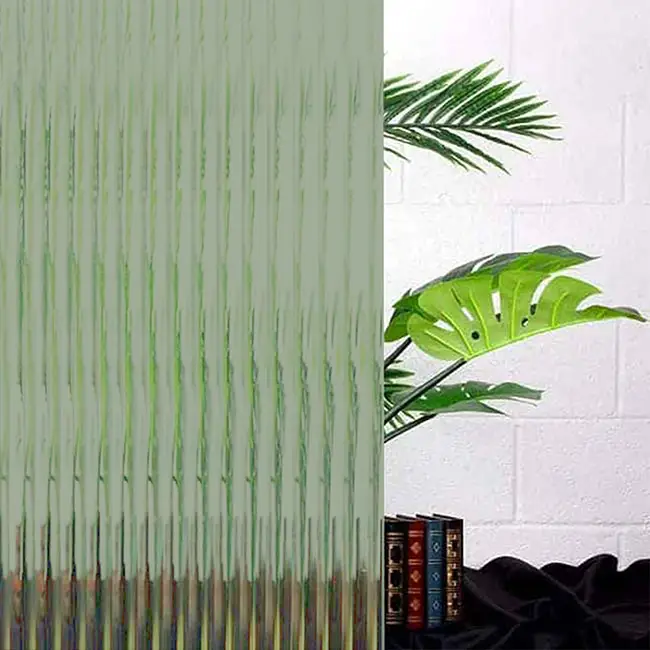
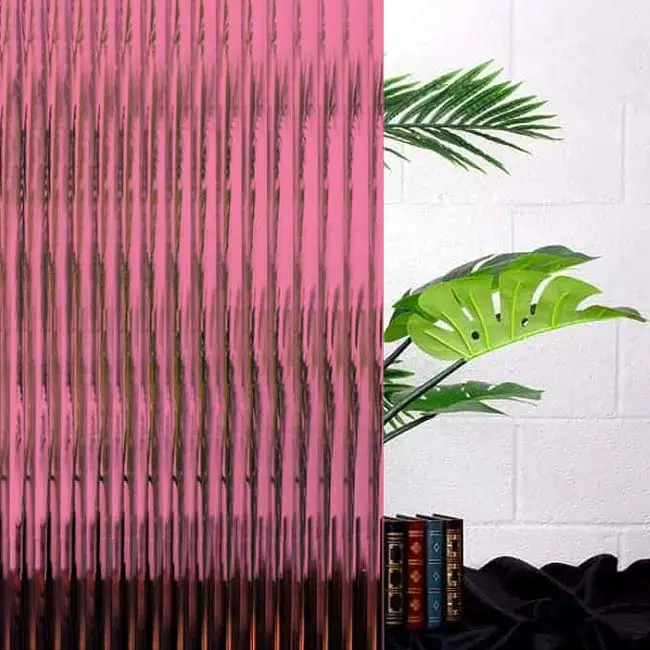
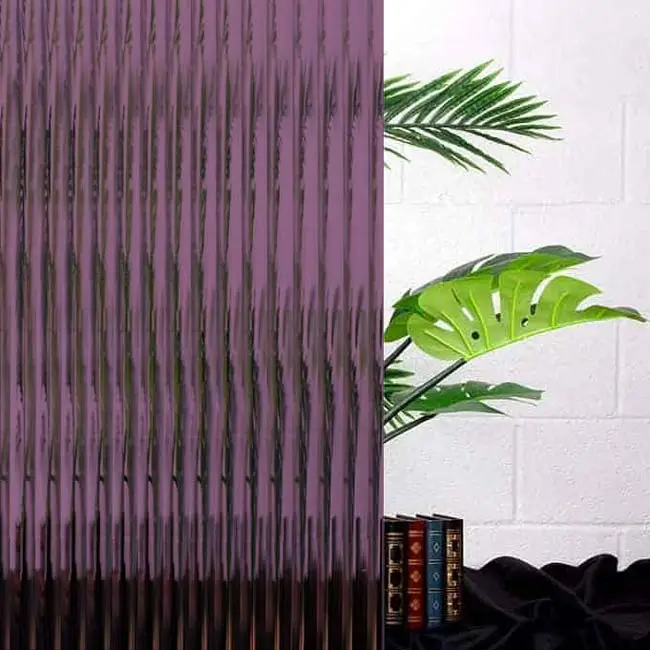
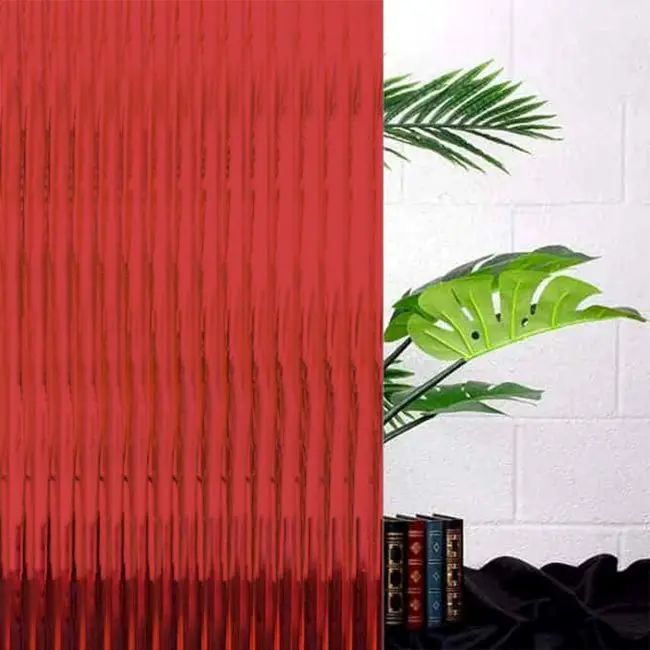
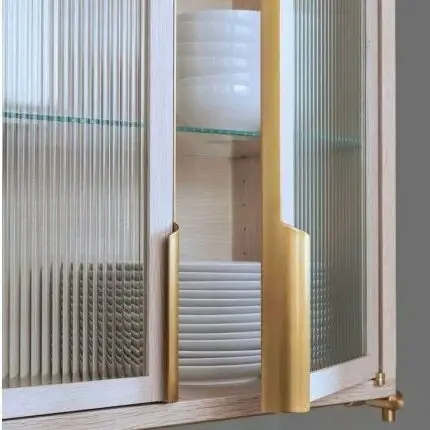
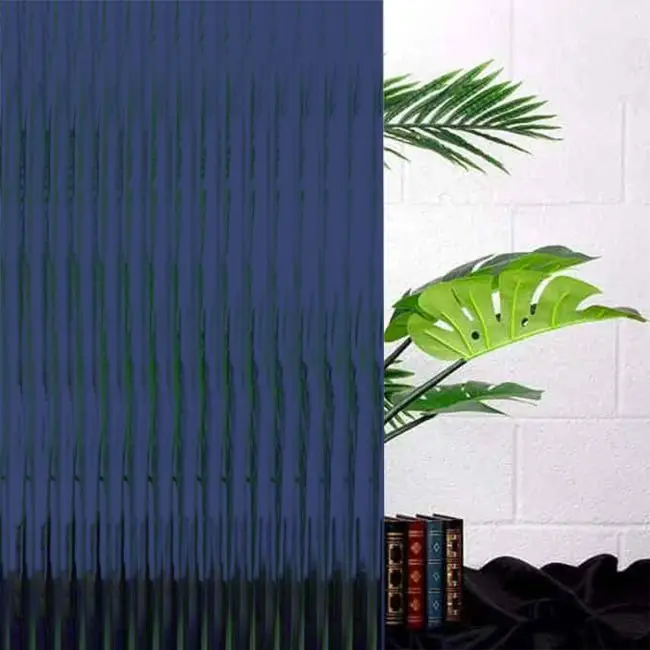
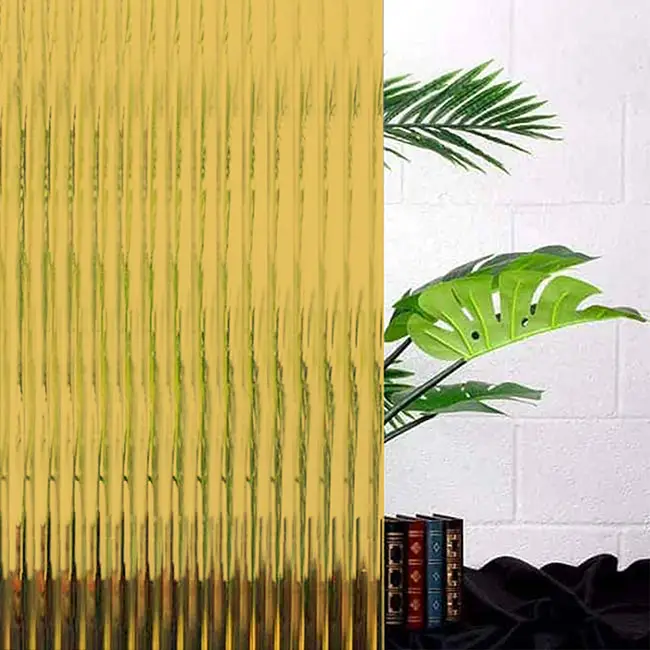
Reeded glass is having a strong moment in UK interior design. You see it in kitchen cabinetry, bathroom screens, internal doors, and office partitions. The appeal is the combination of privacy and light: the ribbed surface obscures the view without blocking daylight, and the linear pattern adds texture and a contemporary architectural quality.
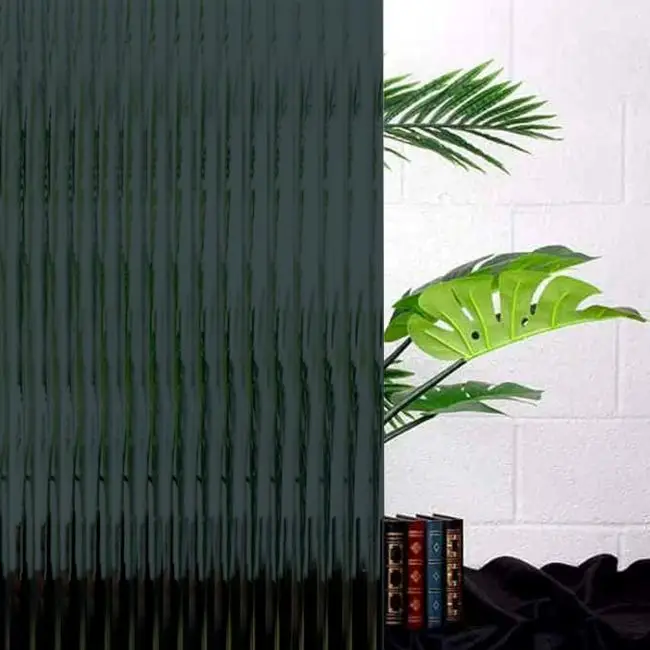
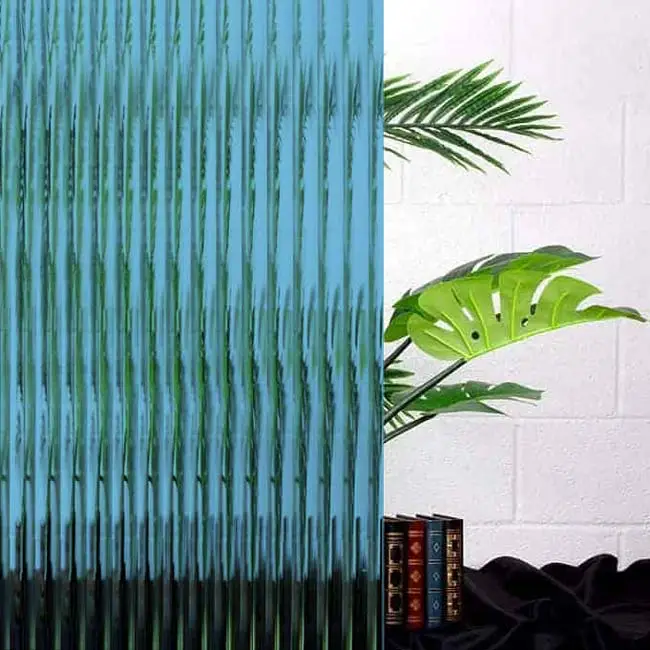
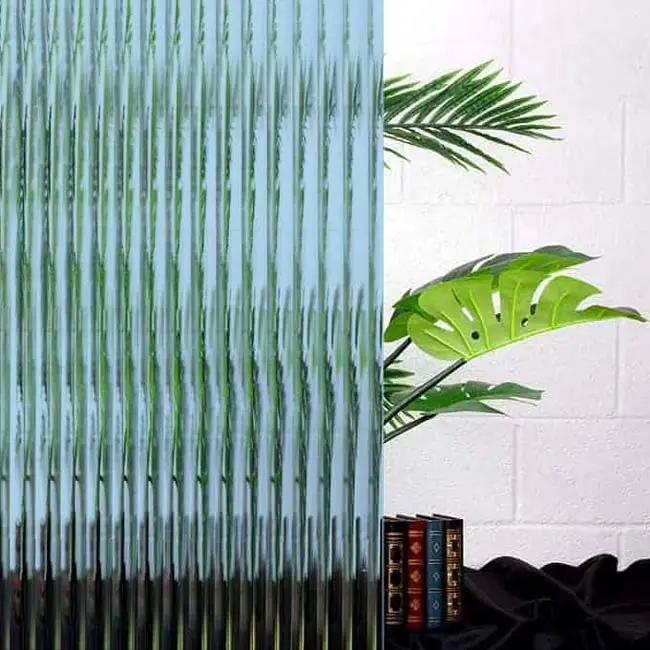
The problem is that genuine reeded glass is expensive to specify and fit. Replacing a door panel or partition with actual reeded glass involves significant cost and disruption. Reeded window film gives the same visual effect at a fraction of the cost, applied directly to existing clear glass.
The film works on internal doors, shower screens, cabinet glass, glass partitions, and windows. For commercial specifiers, it provides a cost-effective way to add design-led privacy to meeting rooms, reception areas, and office partitions. For homeowners, it is a practical way to update a bathroom or front door panel without any glazing replacement.
Sophie, an interior designer working on a boutique hotel refurbishment in Leeds, specified reeded window film across 14 internal glass panels in the reception and corridors. The brief was to create a layered, high-end look without replacing the existing glazing. Film was installed in a single day. The result matched the architectural intent, cost less than 15% of glass replacement, and avoided two weeks of disruption to the hotel's operation.
If you are looking at reeded film for a commercial fit-out or installation project, the reeded window film service covers surveys, specification, and professional installation. To order direct and self-apply, the reeded window film category has multiple widths and patterns.
Trend 2: Frosted and gradient privacy film
Net curtains have been out of fashion for years. Privacy blinds help but they reduce light, collect dust, and need regular cleaning or replacing. What most people actually want is privacy without sacrificing daylight. Frosted window film delivers that.
Plain frosted film has been standard in commercial settings for decades: office partitions, meeting rooms, and healthcare spaces. What has changed is a shift in the domestic market. Ground-floor rooms, street-facing windows, and urban flats with overlooked bathrooms are driving demand for frosted and gradient film as a direct alternative to net curtains and venetian blinds.
Gradient privacy film adds a design dimension. The film starts clear at the top, where privacy is less critical and natural light is most valuable, then transitions to a frosted finish lower down. For period houses with tall sash windows, this preserves the character of the opening while adding practical privacy at exactly the right height.
Frosted film also provides consistent privacy day and night. This matters because reflective one-way film, while effective for daytime privacy, does not work in the same way at night when the inside is brighter than outside. If you need 24/7 privacy, frosted is the reliable choice.
Trend 3: Solar control film for light and temperature
Rising energy costs are changing how commercial buildings manage heat and glare. Blinds and curtains have long been the default solution, but they create a binary choice: open and have heat and glare, or close and lose the view. Solar control window film removes that trade-off.
Applied to existing glass, solar control film reduces heat gain, cuts glare, and blocks UV without significantly reducing the amount of light entering the room. The building stays brighter, views are retained, and air conditioning systems run less often. The British Fenestration Rating Council provides the UK standard for assessing how well glazing manages energy, and solar control film can materially improve a building's glass performance rating.
In schools and healthcare settings, where classroom temperatures and patient comfort are genuine operational concerns, solar control film is increasingly part of planned maintenance programmes rather than an emergency fix. Facilities managers who previously relied on blinds or external shading are finding that film offers a simpler, lower-maintenance alternative with a longer effective life.
The facilities team at a multi-site academy trust in the Midlands had spent several summers managing overheated classrooms across three secondary schools. Roller blinds had been installed in most rooms, but teachers were leaving them closed all day, which made classrooms dark and uncomfortable in a different way. In 2025, the trust trialled solar control window film on the south-facing glazing at one school. By the following summer, complaints had dropped significantly, blinds were no longer permanently closed, and the trust approved the same specification for the other two sites.
For commercial solar control projects, the commercial solar window film service covers site surveys, product specification, and installation for offices, schools, healthcare buildings, and retail sites across the UK. The window film vs blinds guide covers the practical comparison in more detail.
Trend 4: Smart and switchable film
The fastest-growing segment in the window covering market is also the least understood: smart switchable film, also called PDLC film or electrochromic film.
PDLC stands for polymer dispersed liquid crystal. Without an electrical charge, the film is frosted. When a low-voltage current is applied, the crystals align and the film becomes clear. The switch can be operated manually, on a timer, or through a building management system.
The practical applications are significant. A boardroom that needs privacy during a sensitive presentation, then clear glass for the rest of the working day. A healthcare consulting room that switches between open and private in a second. A hotel bathroom where guests control the screen from the bed.
Smart glass and switchable film is among the fastest-growing segments in commercial glazing, driven by adoption in healthcare, hospitality, financial services, and high-specification residential developments.
Smart film is currently a premium, specialist option. It is not available for straightforward self-apply ordering. But for architects, contractors, and facilities teams specifying new-build or high-specification fit-out projects, it is worth including in the brief. Contact the Lustalux team if switchable film is part of your commercial project requirements.
Trend 5: The minimalist case against traditional window dressing
One of the most consistent directions in UK interior design over recent years is the shift away from decorative accumulation. Clean surfaces, unobstructed sightlines, and finishes that do not collect dust or need ongoing maintenance. This aesthetic is fundamentally at odds with most traditional window treatments.
Heavy curtains, layered Roman blinds, and plantation shutters all add visual weight. They require regular washing or dusting. Their mechanisms wear out. When open, they bunch at the sides and compete with the window architecture. When closed, the room darkens and the connection with the outside is lost.
Window film adds nothing to the visual field. It sits on the glass, not across the opening. The window looks like a window. The film does its job, whether privacy, solar control, or decorative texture, without taking up space, creating a maintenance burden, or altering the proportions of the room.
For commercial interiors where facilities managers are focused on low-maintenance surfaces and predictable replacement cycles, this is a practical argument. Film specified for commercial use typically lasts 10 to 15 years, requires no moving parts, and can be replaced with minimal disruption.
Trend 6: Biophilic design and natural light retention
Biophilic design, the architectural and interior approach that prioritises connection with natural light, views, and organic forms, is firmly mainstream in both commercial and residential projects. The research on wellbeing, productivity, and health outcomes continues to strengthen, and the brief for schools, healthcare buildings, and office spaces increasingly includes natural light quality as a design criterion.
The challenge for traditional window coverings is that most of them work against this principle. A room with solar blinds or blackout curtains has its connection with daylight reduced. The light feels managed rather than natural, and that matters in spaces where wellbeing is part of the brief.
Soft frosted film, light-transmitting solar control film, and reeded film sit more comfortably within this framework. They address the problems of heat, glare, and privacy while preserving the quality of natural light and the visual connection with the outside. For schools, healthcare settings, and workplaces where occupant wellbeing is a genuine design requirement, this distinction matters.
How to choose the right window covering for your project
The right option depends on the problem you are trying to solve and the setting you are working in. Here is a quick guide to matching the film type to the need:
| Priority | Best film option | Notes |
|---|---|---|
| 24/7 privacy | Frosted or opaque film | Works day and night; suits bathrooms, offices, partitions |
| Design-led privacy | Reeded or gradient film | Contemporary finish; suits doors, partitions, sash windows |
| Daytime-only privacy | Reflective one-way film | Does not work at night when inside is brighter than outside |
| Heat and glare | Solar control film | Retains light and views; suits offices, classrooms, conservatories |
| Smart on-demand privacy | PDLC switchable film | Commercial spec; boardrooms, healthcare, hospitality |
| Decorative finish | Gradient, frosted pattern | Domestic and commercial; replaces net curtains or plain glass |
For commercial projects, a site survey ensures the specification matches the glass type, orientation, light levels, and use of the space. For domestic applications such as bathroom windows or conservatory glazing, self-apply ordering is practical and affordable.
Mark, an architect working on a mixed-use office and health clinic development in Bristol, included a specification review for window treatments across the 2,000 square metre site. He was comparing external solar shading, motorised blinds, and window film. Film came out ahead on three criteria: maintenance burden, build programme timeline, and the building operator's preference for long-term low-disruption management. The project proceeded with solar control film on the commercial glazing and frosted film on the clinic consulting rooms.
FAQs
What is the most popular window covering trend for 2026?
Reeded glass film and frosted gradient film are both seeing strong growth in the UK domestic market. Solar control film is the most widely adopted commercial window covering trend for offices, schools, and healthcare buildings.
Is window film a permanent window covering?
No. Window film is designed to be removed and replaced. Most professionally installed films last between 10 and 15 years depending on the specification, glass type, and orientation. Self-apply products can be repositioned or replaced as needs change.
Does frosted window film work at night?
Yes. Frosted film provides privacy day and night because it scatters light rather than depending on a difference in light levels. This is the key difference from one-way reflective film, which works well in daylight but does not provide the same privacy at night when the interior is brighter than outside.
Can window film replace blinds?
For many applications, yes. Solar control film is an effective alternative to solar or blackout blinds where heat, glare, and UV reduction are the main goals. Frosted film replaces privacy blinds and net curtains in domestic and commercial settings. If complete light blocking is needed, blackout film is the film equivalent.
What is smart switchable window film?
Smart switchable film (PDLC film) switches from frosted to clear on demand using a low-voltage electrical current. It is used in commercial settings including boardrooms, healthcare consulting rooms, and high-specification residential projects, and can be controlled manually, on a timer, or through a building management system.
Is window film more cost-effective than blinds in the long run?
In most cases, yes. Professionally installed window film has a lower lifetime cost than blinds or shutters when maintenance, replacement cycles, and installation disruption are factored in. Self-apply window film ordered direct is typically less expensive than quality blinds for the same application.
Conclusion
Window covering trends for 2026 are not just about new colours or fabric textures. The more significant shift is practical: a move toward solutions that are lower maintenance, more design-conscious, and better suited to buildings where large areas of glass are the norm rather than the exception.
Window film, across its different types, addresses all six of the trends in this guide. Reeded film brings design-led privacy. Frosted and gradient film replaces net curtains and privacy blinds. Solar control film manages heat and glare while retaining natural light. Smart switchable film is the fastest-growing commercial glazing segment. And film's clean, minimal profile aligns with both the biophilic design principles and the minimalist interiors that shape modern commercial and residential projects.
Most window covering trend guides will not include window film for some time yet. If you are planning a window treatment for a commercial fit-out, a school, a healthcare building, or your own home, it is worth including film in the conversation before you commit to a traditional covering that may not serve the space as well.
Talk to the Lustalux team about the right window film for your project, or browse the self-apply window film range if you are ready to order direct.
Products mentioned in this article
Related internal links
Related external links
Ready to start your project?
Discuss your requirements with a specialist and get a tailored quote for your space