resource / Guide
What Is Fluted Glass? Uses, Costs and the Window Film Alternative
Window film
Guide
10 min read
2026-06-02

Fluted glass is glass with a series of narrow vertical grooves that scatter light, blur the view through the glass, and give it a ribbed, textured appearance. It provides partial privacy while allowing natural light to pass through - making it a popular choice for kitchen cabinet doors, bathroom windows, internal doors, and glazed partitions.
If you are exploring the fluted glass look for a project, there are two practical routes: real fluted glass, manufactured with the grooves formed directly into the surface, and reeded window film, which replicates the same visual effect when applied to existing flat glass. This guide explains both options clearly so you can decide which fits your project, budget, and timescale.
Key takeaways
- Fluted glass has narrow vertical grooves that scatter light and provide partial privacy without blocking it entirely.
- "Fluted" and "reeded" glass are used interchangeably in the UK market; the technical difference between them is minor.
- Real fluted glass costs significantly more than clear glass and is difficult to keep clean because the grooves trap soap scum, dust, and limescale.
- Reeded window film applies to existing flat glass and replicates the same visual effect at considerably lower cost, with no specialist glazier required.
- Film is removable, available in multiple colours, and can be ordered cut to size or installed professionally across the UK by the Lustalux team.
What is fluted glass?
Fluted glass is produced by passing molten glass through patterned rollers during manufacture. The rollers press narrow vertical channels into one face of the glass as it sets, creating the characteristic ribbed texture. The result is a panel that transmits light but distorts the view - translucent rather than transparent. For a detailed breakdown of the glass itself, Elite Safety Glass's fluted glass guide covers the manufacturing process and structural specifications in full.
The visual appeal is a soft, diffused light quality with a defined shadow pattern across the surface. That combination of privacy with light transmission is a large part of what has made fluted glass one of the most prominent interior design trends of recent years.
Designers and homeowners are using it across kitchens, bathrooms, and commercial spaces. The global fluted glass market is projected to reach $7.32 billion by 2033, according to Grand View Research - evidence that this is a sustained shift in how people want glass to look and perform, not a temporary fashion.
Fluted glass vs reeded glass: is there actually a difference?
The terms "fluted glass" and "reeded glass" are used interchangeably throughout the UK market. Most glass suppliers, kitchen retailers, and window film companies treat them as the same product.
There is a small technical distinction. Fluted glass has concave grooves - the channels sit below the surface. Reeded glass has convex ridges - the ribs stand proud of the surface. In practice, both produce a very similar visual effect: light scatters, the view blurs, and the glass takes on a ribbed appearance.
The terms "ribbed glass" and "moru glass" describe the same family of products. If you see any of these words in a product description, they are almost certainly referring to the same type of textured glass.
Most UK window film companies - including Lustalux - use "reeded window film" to describe film that replicates the fluted or reeded glass effect. The product is the same regardless of which name you search for.
Where is fluted glass used?
Fluted glass has moved well beyond its Victorian-era origins and is now a mainstream design choice across residential and commercial settings.
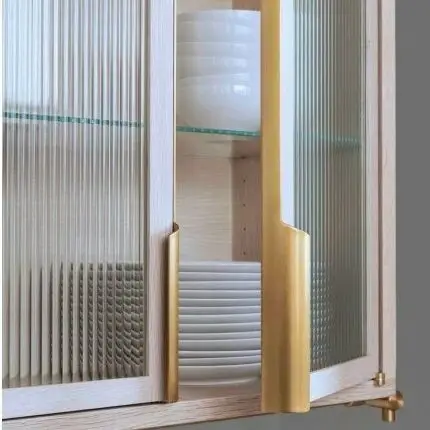
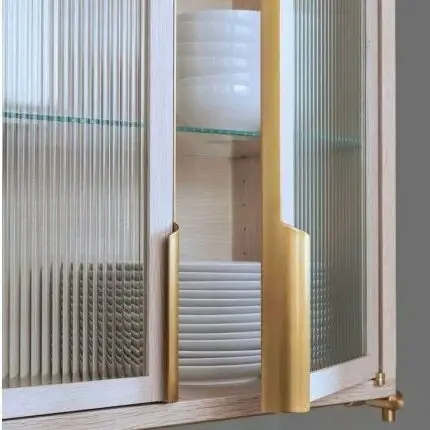
Fluted glass kitchen cabinets are currently the most common residential application. Homeowners are replacing plain or frosted cabinet glass with fluted panels to add texture and depth. Kitchen retailers including Magnet and Second Nature now offer fluted glass as a standard cabinet option - a reliable indicator that the trend has found its way into mainstream kitchen design.
Fluted glass bathroom windows and shower screens are a natural fit. The ribbed surface diffuses light while providing the level of privacy a bathroom typically needs. Walk-in shower panels and wet room screens with a fluted finish are widely available from bathroom retailers.
Internal doors are another growing application. A fluted glass panel in a hallway door or room divider adds light between spaces while softening the view - useful in open-plan homes where some visual separation is wanted without completely blocking light.
Glass partitions in commercial spaces benefit from the fluted effect when a design-led approach to privacy is needed. Rather than a standard frosted film, a reeded or fluted finish creates a more considered, architectural result on office glazing or meeting room screens.
Display cabinets and furniture inserts are an emerging use in both residential and retail settings. The ribbed texture adds visual interest to drinks displays, shelving units, and joinery glass.
Fluted glass disadvantages: cost, cleaning and lead times
Real fluted glass is a premium product and comes with practical drawbacks that are worth understanding before committing.
Cost is the most significant. Real fluted glass is considerably more expensive than standard clear float glass - typically two to three times the price per square metre for standard cut sheets, and more for bespoke sizes. Specialist glazier installation, new framing or rebating work, and custom panel lead times push costs further.
Rebecca, a homeowner in Leeds, wanted to update the glass in her kitchen cabinet doors after seeing the fluted look on a design blog. She contacted a local glass company and was quoted between £60 and £90 per panel for cut-to-size fluted glass, not including fitting. With 14 cabinet doors to update, the total estimate came to over £1,000 - for what was effectively a cosmetic change to existing kitchen cabinets. That figure was enough to prompt her to look at whether reeded window film could achieve the same result.
Cleaning is a frequent complaint from people who already own real fluted glass. The physical grooves trap soap scum, limescale, dust, and mildew. In bathrooms and kitchens, the channels are difficult to clean thoroughly without specialist tools or significant effort. Standard wiping leaves residue in the grooves, and over time the glass can appear dull even when regularly cleaned.
Lead times for custom-cut fluted glass can run to several weeks. For a renovation with a fixed completion date, that wait can hold up an entire room.
Permanence is also worth considering. Replacing a glass panel requires removing it from its frame and sourcing a matching replacement if you ever want to change things. For applications where you might want future flexibility, committing to real glass is a significant decision.
Reeded window film: the practical alternative
Reeded window film - sometimes called fluted glass window film - applies to the surface of existing flat glass and replicates the ribbed, light-scattering effect of real fluted glass. No glass replacement is required.
The film is a textured adhesive vinyl with the groove pattern formed into the film itself. When applied, it distorts the view through the glass in the same way real fluted glass does, while allowing light to pass through. The textured side faces inward against the glass, which means the outward-facing surface is smooth and straightforward to wipe clean.
That last point addresses one of the main complaints about real fluted glass. There are no physical grooves on the surface to trap dirt.
Key advantages of reeded window film:
- Applied to existing glass - no glazier, no frame changes, no glass replacement
- Considerably lower cost per square metre than real fluted glass
- Ordered cut to size with no long lead times
- Removable and replaceable if your plans change
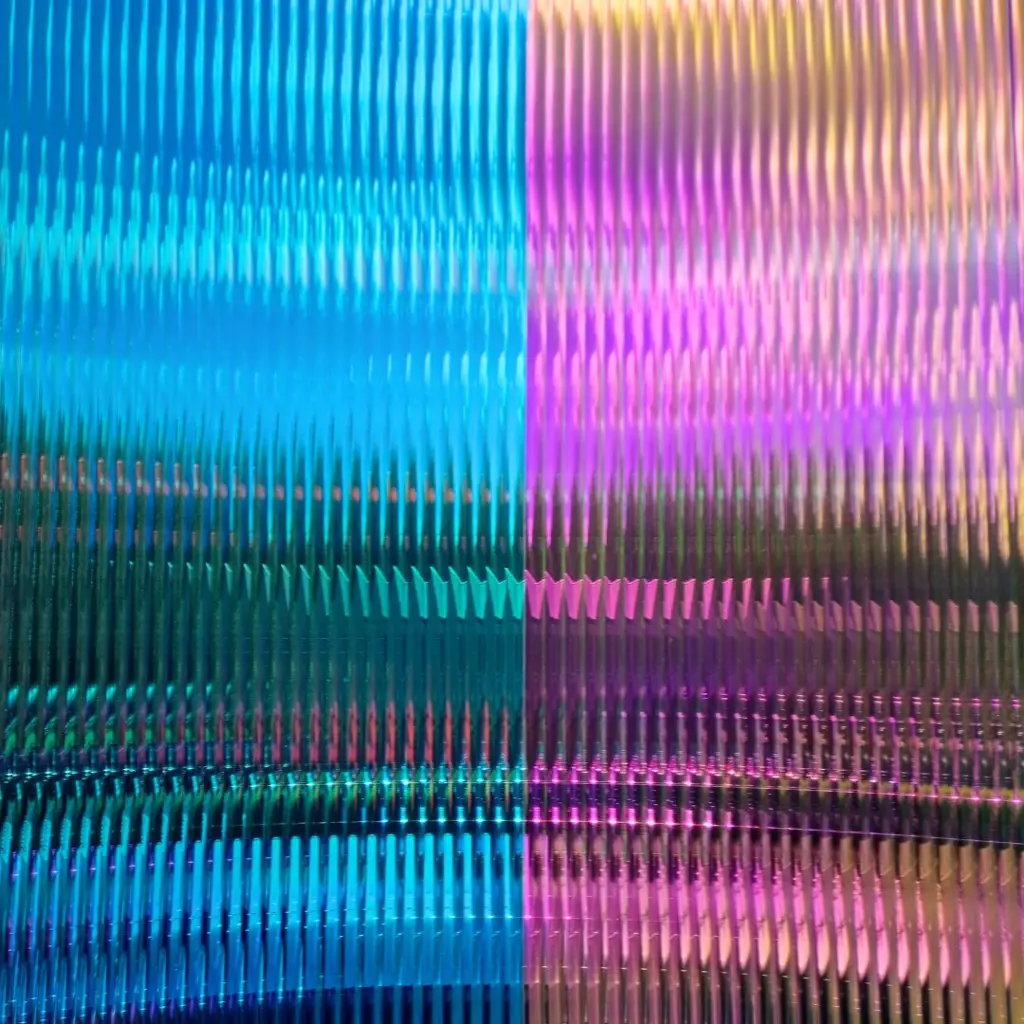
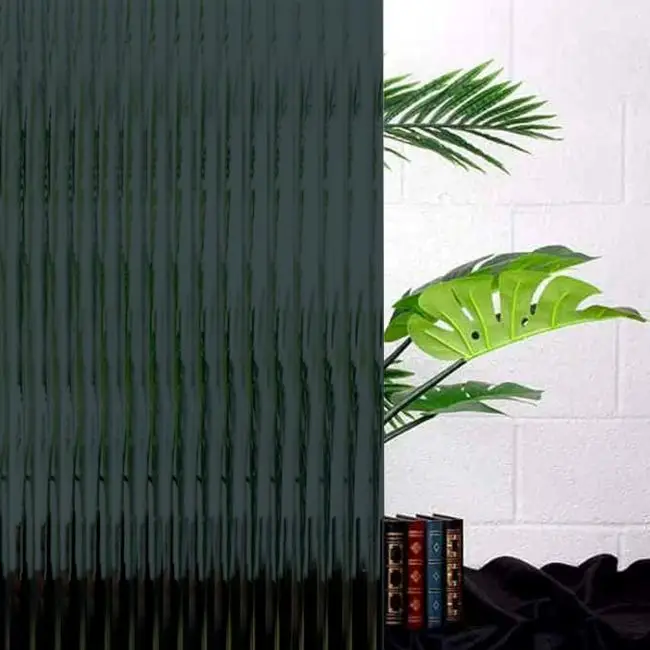
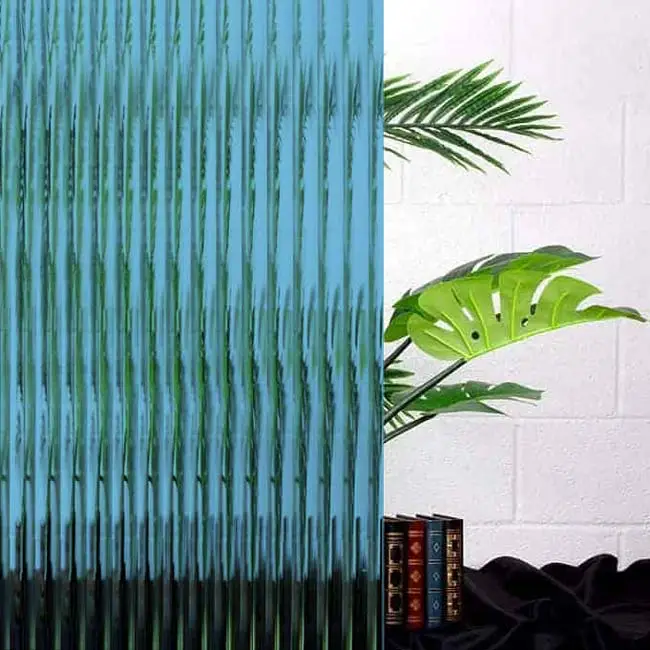
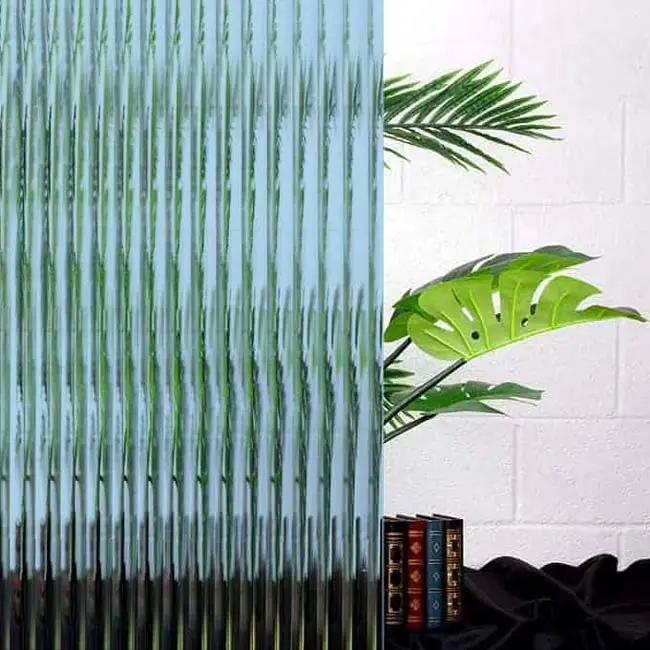
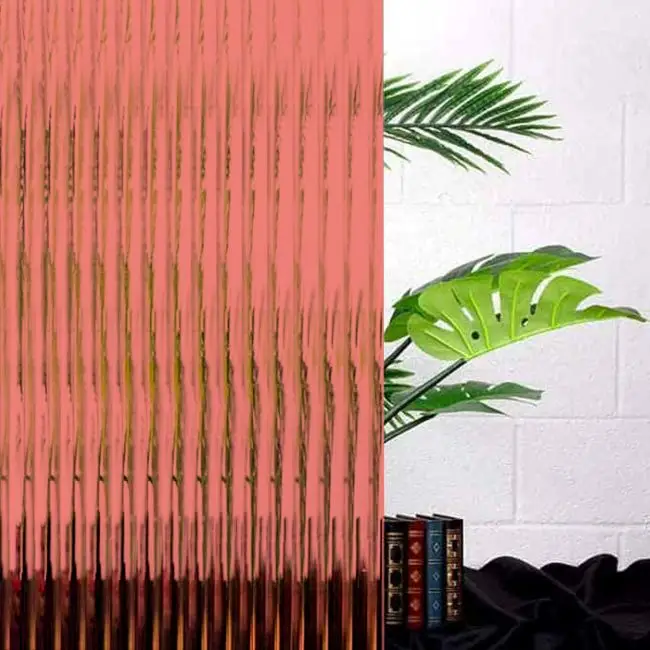
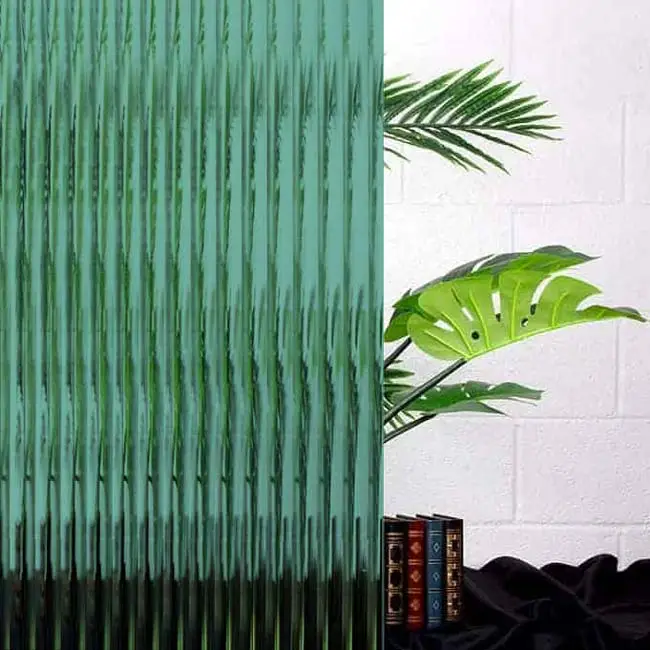
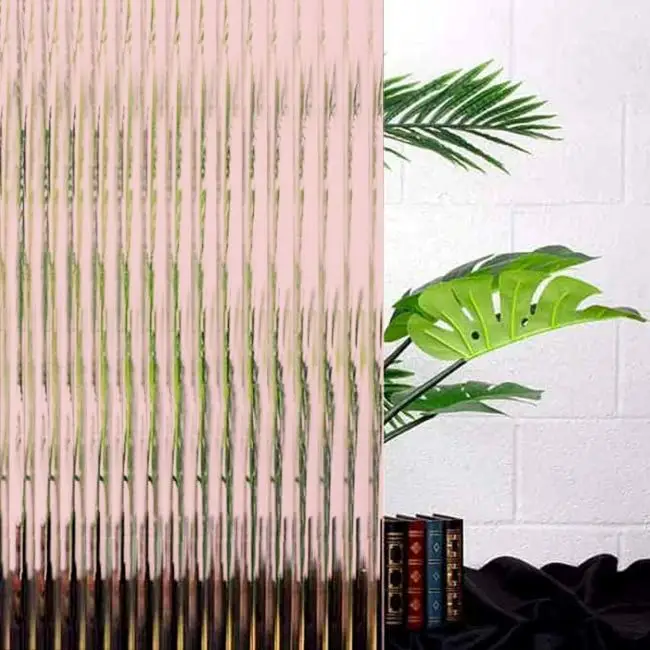
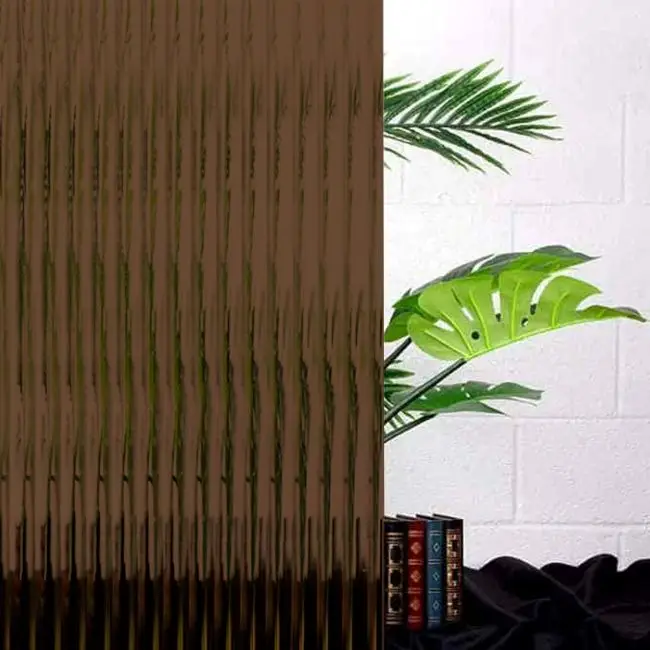
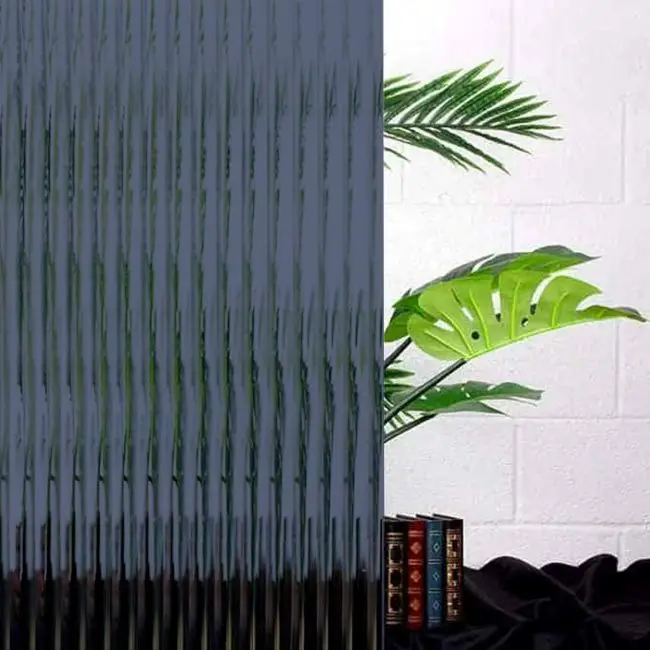
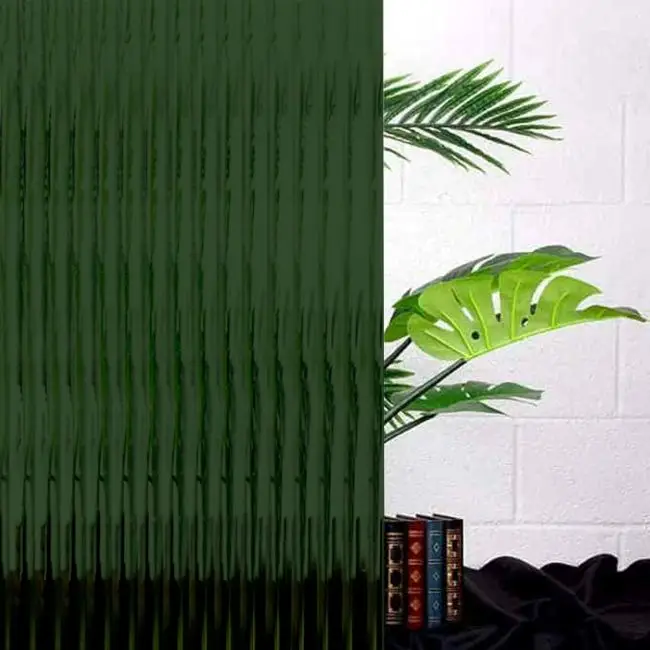
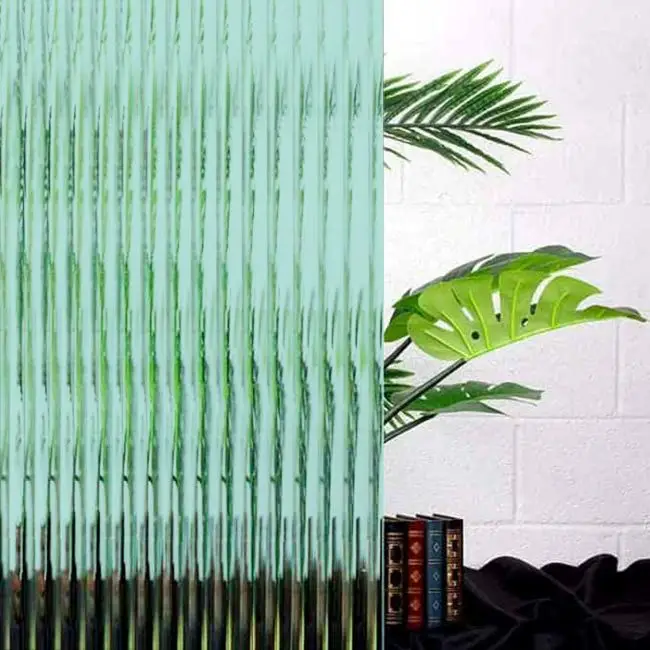
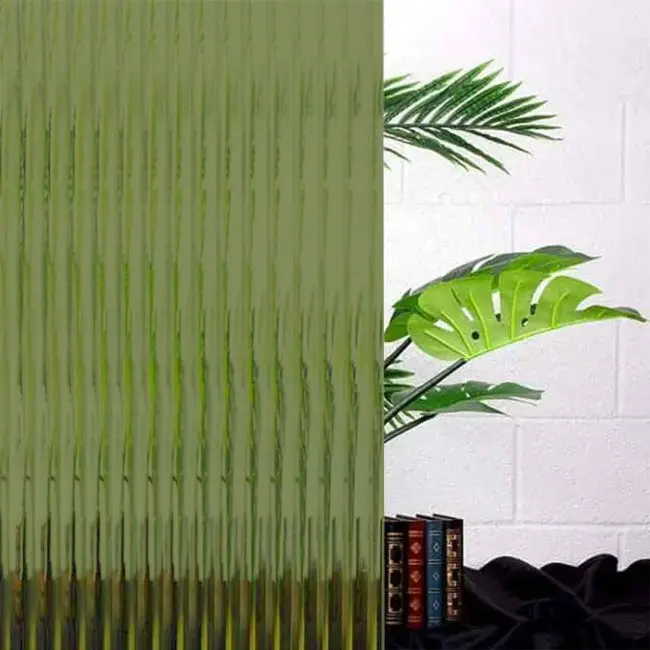
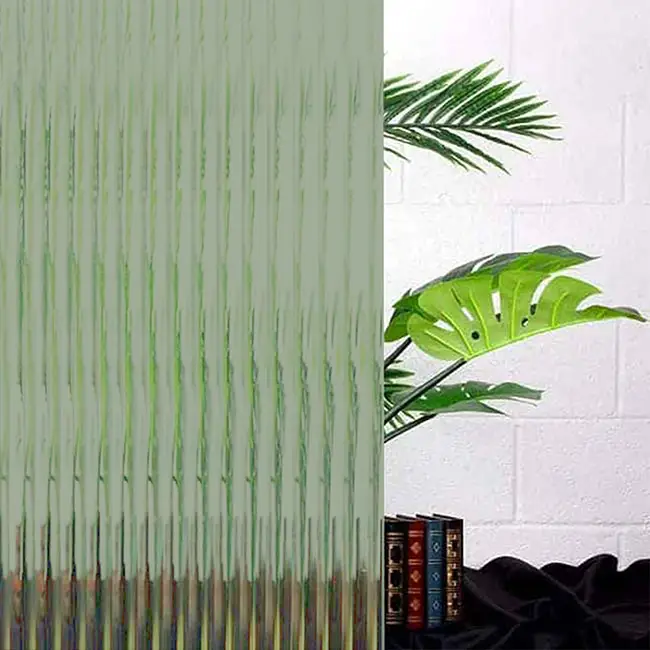
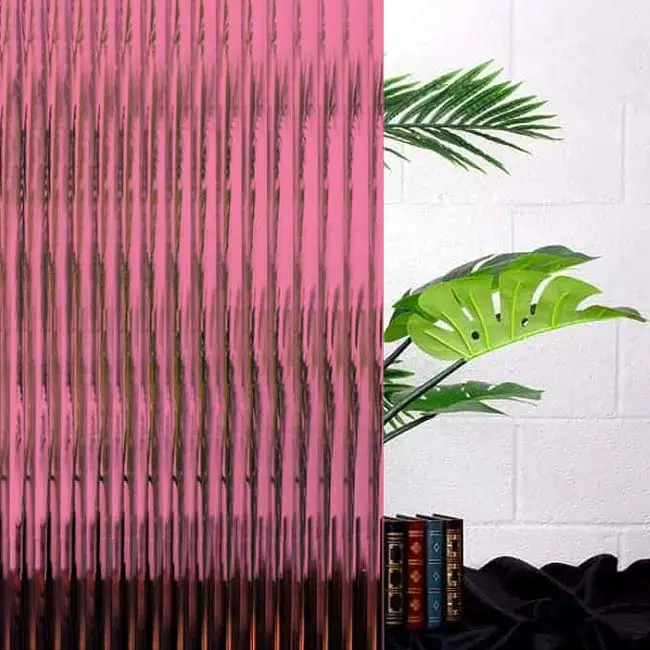
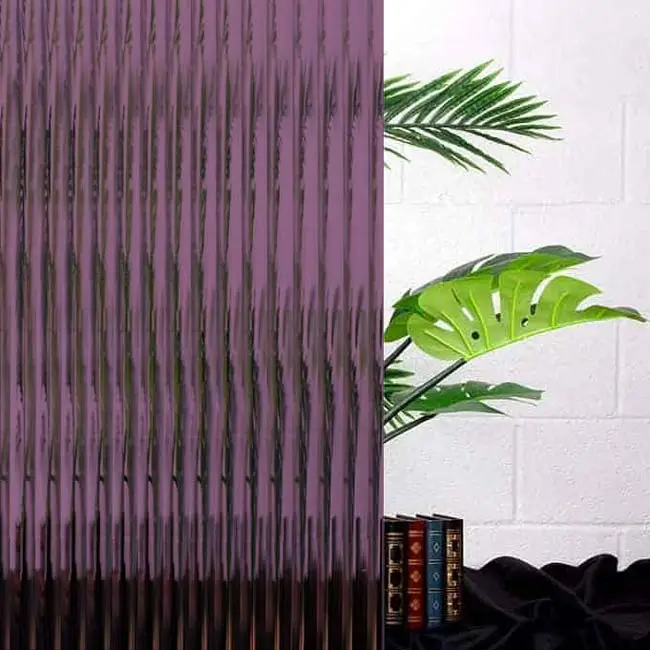
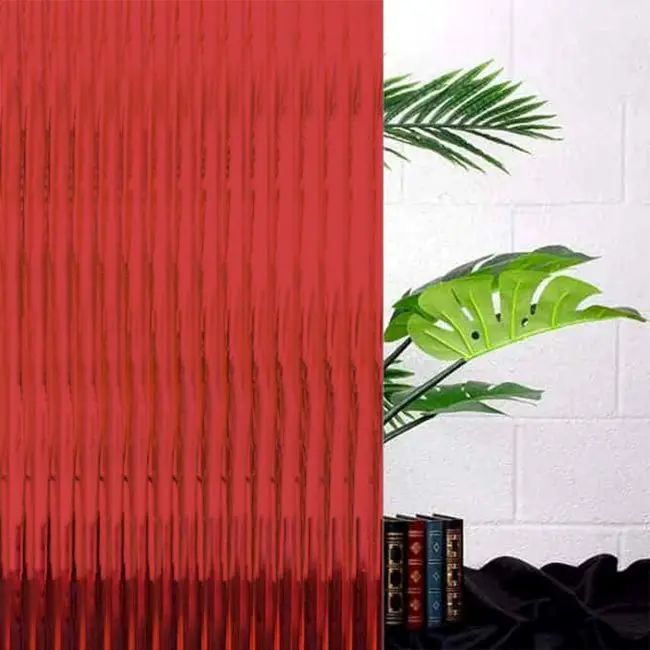
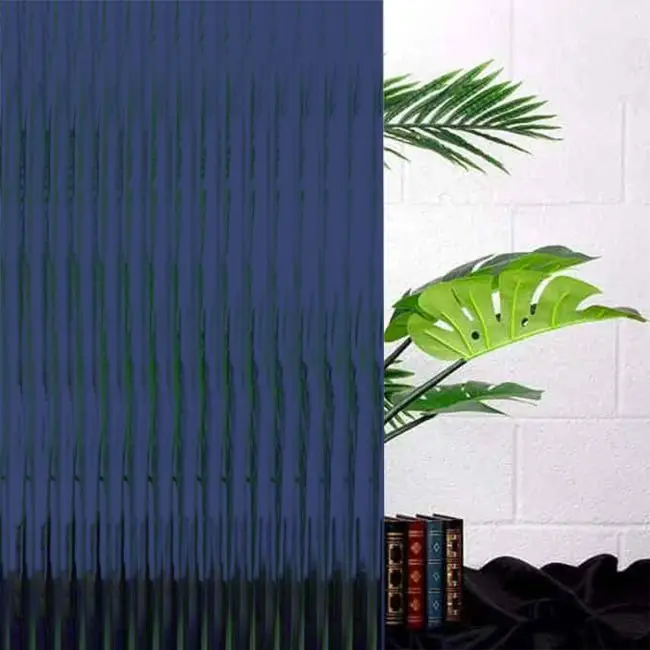
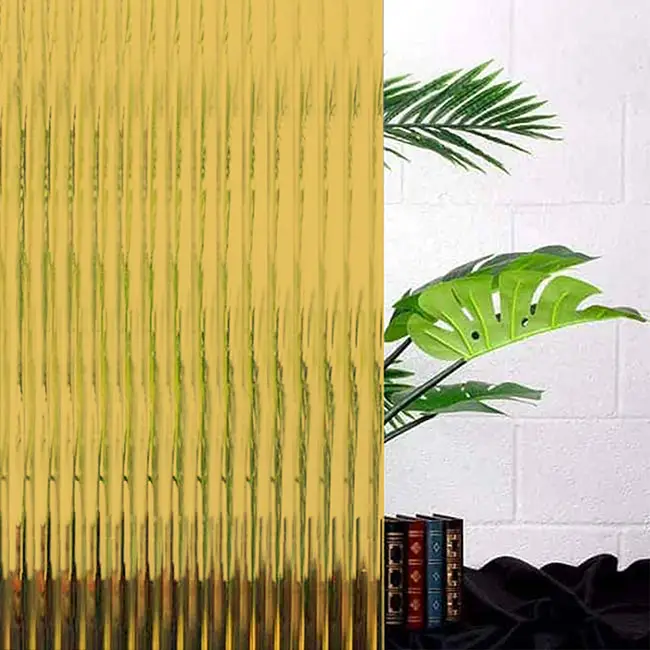
- Available in multiple colours: blue, green, pink, yellow, tangerine, grey, and dichroic
- Suitable for self-application or professional installation
The colour range is a genuine differentiator over real fluted glass, which is only available in clear or standard frosted. The dichroic reeded window film shifts colour with the light angle - a premium option for design-led interiors and commercial spaces where a distinctive finish is needed.
If you are considering reeded film for a project, browse the reeded window film range to see the available options, or read the reeded glass film guide for more detailed buying advice.
The design credentials of reeded window film extend to high-profile commercial work. When Swarovski commissioned the set design for their 2024 holiday television advertisement, the production team used reeded window film from Lustalux for the glazed elements on set. The film had to look right on camera, arrive quickly, and be installed in a temporary environment. Real glass would have been impractical. The results are shown in the Swarovski reeded film project - a useful illustration of how well film performs when the aesthetic demands are genuinely high. It is one of many projects delivered through the Lustalux film and TV production service.
Real fluted glass vs reeded window film: a practical comparison
| Factor | Real fluted glass | Reeded window film |
|---|---|---|
| Cost | High | Low |
| Installation | Specialist glazier required | DIY-friendly or professionally installed |
| Lead times | Long for bespoke sizes | Cut to size, fast dispatch |
| Cleaning | Difficult - grooves trap dirt | Easy - smooth outer surface |
| Reversibility | Permanent | Removable |
| Colour options | Clear and frosted only | Blue, green, pink, yellow, tangerine, grey, dichroic |
| Best for | New-build glazing, structural applications, safety-rated shower enclosures | Retrofit projects, cabinet glass, interior partitions, decorative updates |
Both options have genuine applications. For new-build shower enclosures, structural glazing, or applications where toughened or laminated glass is required, real fluted glass is the correct specification. For retrofit, decorative, and design-led projects - particularly on existing flat glass - reeded window film is usually the more practical and cost-effective route.
Where to buy reeded window film in the UK
For self-apply projects, Lustalux offers reeded window film cut to your specified size, available to order directly online. The reeded window film range includes standard 1/4" and 1/2" flute widths as well as coloured and dichroic variants. Individual products are also available: the 1/4" reeded glass window film is well suited to cabinet doors and smaller panes, while the 1/2" reeded glass window film gives a bolder, more pronounced texture on larger glass areas.
For commercial projects, larger installations, or work on office glazing and glass partitions, Lustalux provides reeded window film installation through professional teams working nationwide. Site surveys are available to ensure the specification and finish are correct before work begins.
If you are not sure whether self-apply or professional installation is the better approach for your project, talk to the Lustalux team. We can help you identify the right product, size, and fitting route.
FAQs
Is reeded glass the same as fluted glass?
In practice, yes. Both terms describe textured glass with a ribbed surface that scatters light. There is a minor technical distinction - fluted glass has concave grooves while reeded glass has convex ridges - but most suppliers and retailers use the terms interchangeably. If you are searching for window film products, "reeded window film" and "fluted glass film" refer to the same type of product.
Does reeded window film provide the same privacy as real fluted glass?
Both real fluted glass and reeded window film provide partial privacy. They blur the view through the glass without blocking it entirely. Neither is a complete privacy solution. If you need to block the view through glass fully, frosted or opaque film is more appropriate.
Can reeded window film be applied to double glazing?
Yes. Reeded window film is applied to the interior face of the glass, so it works on standard double-glazed units. It should not be applied between the panes of a sealed unit. If you are unsure about your glass type, the Lustalux team can advise.
What is the difference between reeded film and frosted film?
Frosted window film provides 24/7 privacy by obscuring the view through the glass while still allowing good light transmission. It has a plain, even appearance. Reeded window film provides a similar level of partial privacy but adds the ribbed visual texture associated with fluted or reeded glass. The choice depends on whether the decorative detail matters for the space.
Is reeded window film easy to clean?
Yes. Unlike real fluted glass, which has physical grooves that trap dust, soap scum, and limescale, the textured side of the film faces inward against the glass surface. The visible outer face is smooth and can be wiped clean in the same way as plain glass.
Can reeded window film be used on kitchen cabinet doors?
Yes. Reeded film can be ordered cut to the exact dimensions of existing cabinet glass panels. It is one of the most popular residential applications for reeded window film and offers a straightforward way to update existing kitchen cabinets without replacing the glass panels.
Is fluted glass good for bathrooms?
Yes, with some caveats. Real fluted glass provides partial privacy in a bathroom - it blurs the view without blocking it entirely. It works well on windows and internal shower screens where some light transmission is wanted alongside privacy. The main drawback for bathrooms is cleaning: the grooves trap limescale, soap scum, and mildew. Reeded window film solves this because the textured surface faces the glass, leaving a smooth, easy-to-clean outer face while still giving the fluted appearance.
What is the difference between fluted glass window film and frosted window film?
Fluted glass window film (also called reeded window film) replicates the ribbed, grooved texture of fluted glass and provides partial privacy by scattering the light passing through. Frosted window film is plain in appearance and provides more consistent, even privacy across the full surface. Both allow light through. If you want the decorative ribbed look, choose reeded film. If you need maximum privacy without any particular decorative effect, frosted film is more reliable.
Summary
Fluted glass is a well-established design choice with genuine practical appeal - it softens light, adds texture, and provides partial privacy in kitchens, bathrooms, internal doors, and commercial glazing. Real fluted glass is the right specification for structural and safety-rated applications. For the majority of retrofit and decorative projects, reeded window film gives the same visual result at considerably lower cost, without the cleaning complications, lead times, or permanence of real glass.
If you are researching options for a specific space, the Lustalux team can help you identify the right product and route. Browse the reeded window film range to see what is available, or request a quote to discuss a commercial or larger residential project.
Products mentioned in this article
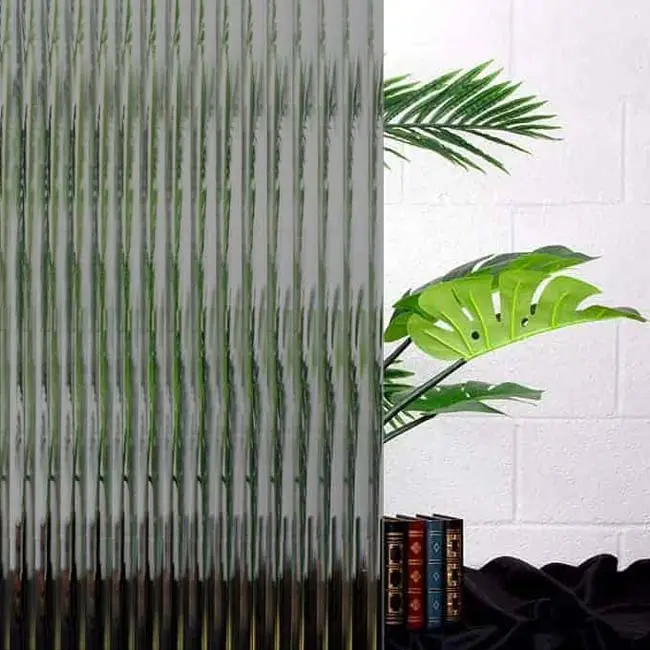
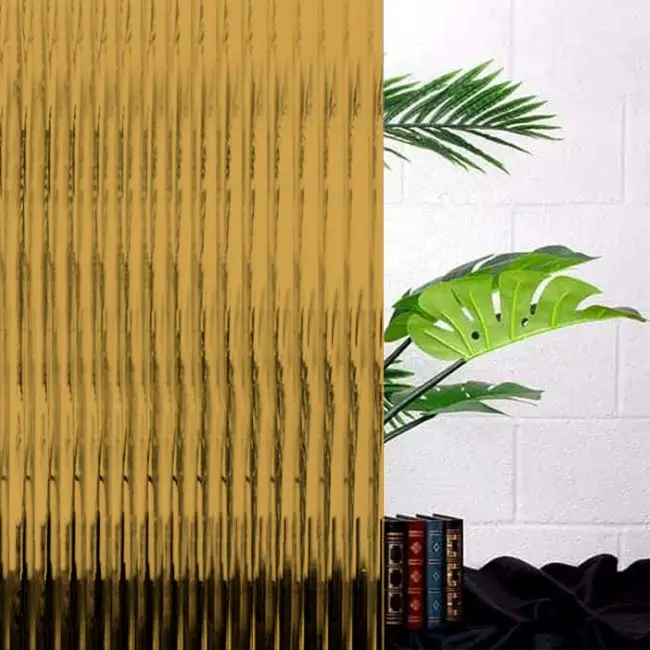
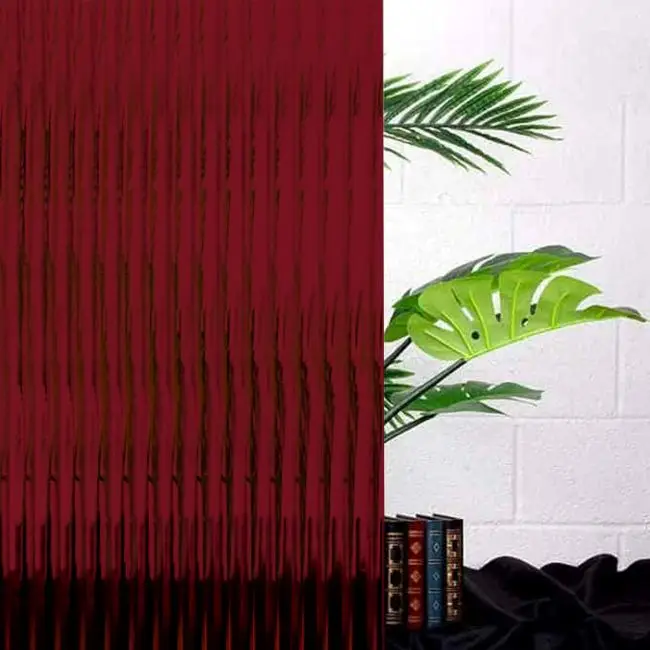
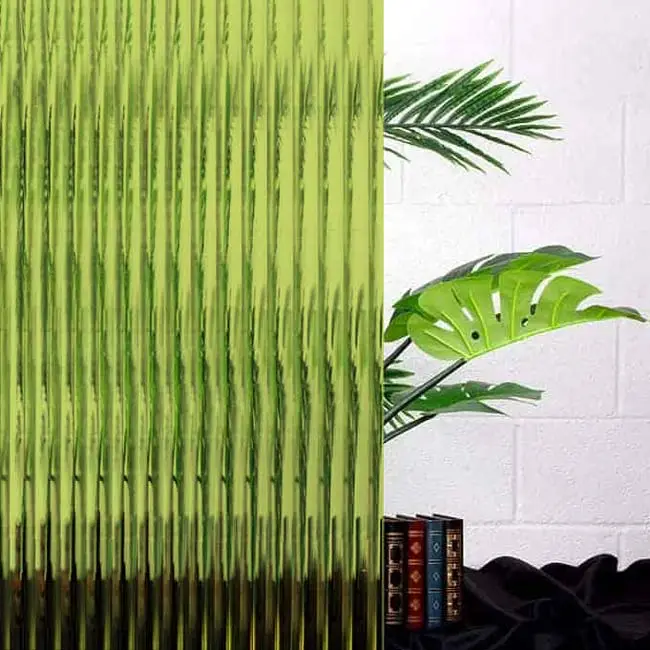
Related internal links
- reeded window film
- dichroic reeded window film
- reeded window film range
- reeded glass film guide
- Swarovski reeded film project
- film and TV production
- 1/4" reeded glass window film
- 1/2" reeded glass window film
- reeded window film installation
- talk to the Lustalux team
- frosted or opaque film
- Browse the reeded window film range
- request a quote
Related external links
Ready to start your project?
Discuss your requirements with a specialist and get a tailored quote for your space